Infectious Diseases Surveillance
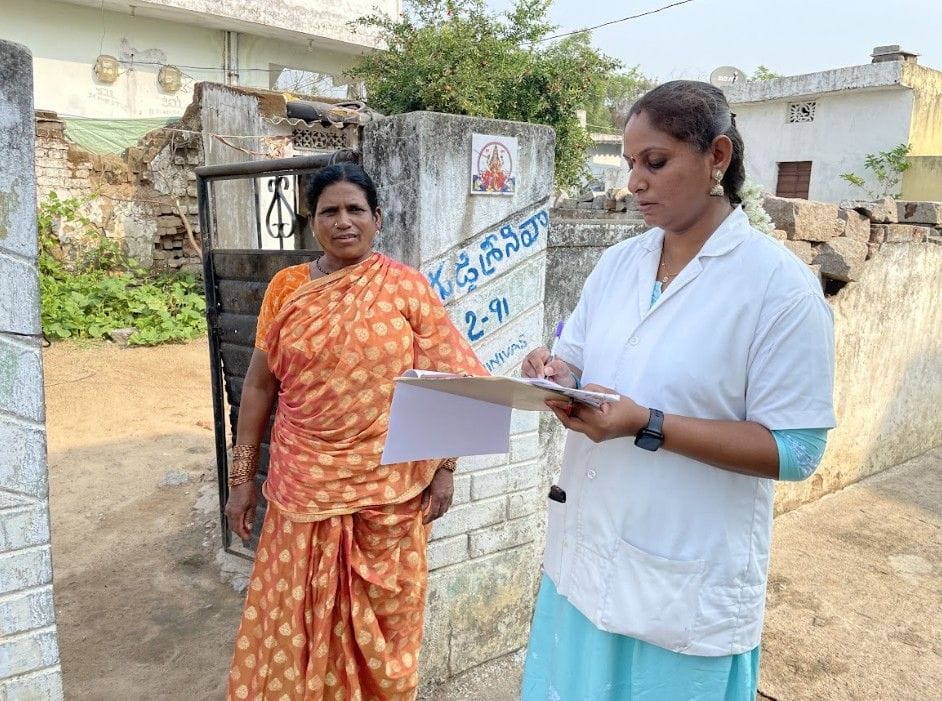
Community Outreach Activities
DRIVEN
Ongoing
Community-based Surveillance to estimate incidence and Sero prevalence of acute febrile illness with focus on Dengue and Chikungunya
As part of the Clinical Trial Network established under the National Biopharma Mission through the Biotechnology Industry Research Assistance Council, ten demographic surveillance sites across India were selected to study the epidemiology of acute febrile illnesses, dengue, & chikungunya
Infectious Diseases Surveillance
Infectious Disease Surveillance
GFTAM
Ongoing
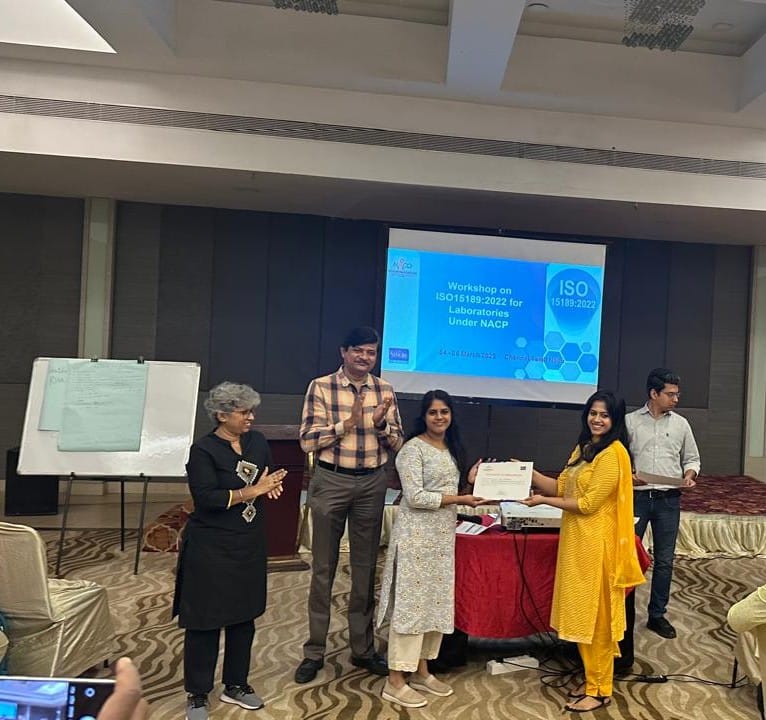
Strengthening India’s HIV Laboratory Network
Supported by the Global Fund to Fight AIDS, Tuberculosis and Malaria, SHARE INDIA is strengthening India’s national HIV laboratory systems under NACP by expanding drug resistance testing, improving quality standards, and advancing molecular surveillance. From establishing HIV-1 Drug Resistance laboratories and a national biorepository to scaling ISO 15189–aligned quality systems, this initiative enhances diagnostic accuracy, informs treatment decisions, and strengthens India’s capacity to detect and respond to emerging HIV threats.
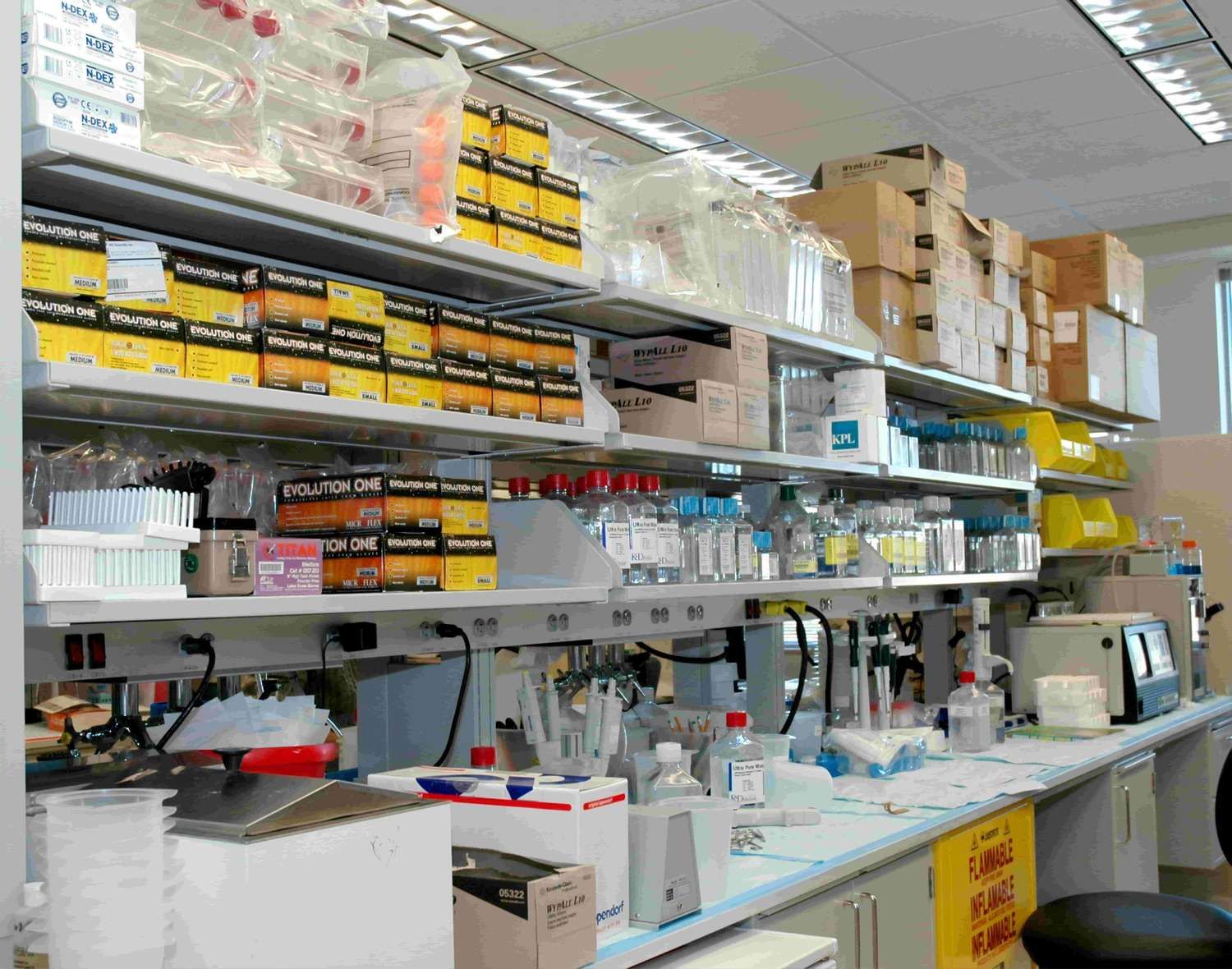
Photo by National Cancer Institute on Unsplash
Infectious Diseases Surveillance
Research
TB-QMS
Completed
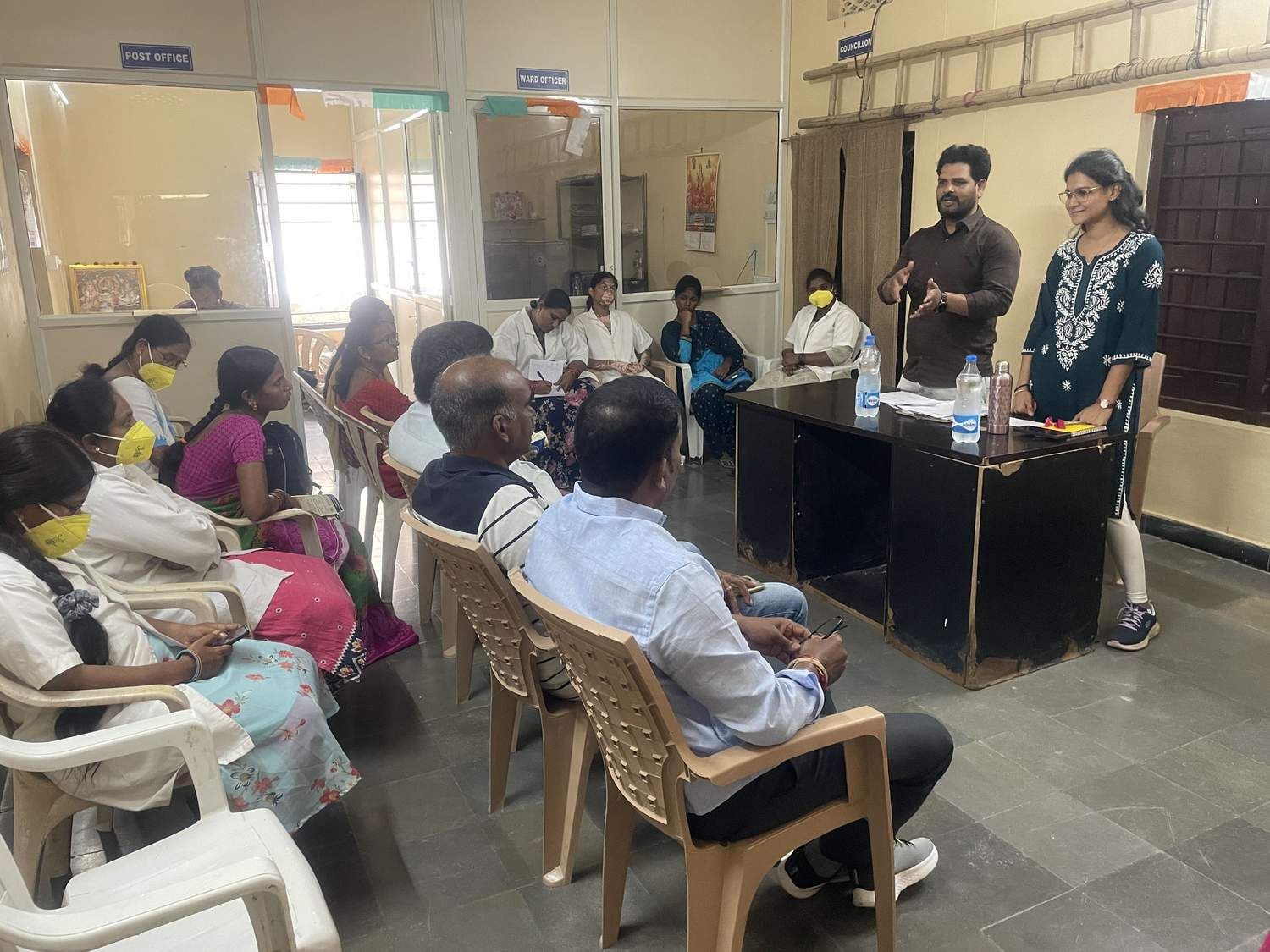
Improving TB Diagnosis at Designated Microscopy Centers by Introduction of Quality Management Systems and Optimum Utilization of Rapid Molecular Diagnostics and its Cost Implication
A weak Quality Management System (QMS) may result in laboratory errors that can lead to both over- and under-diagnosis of TB, interruptions in service, and delayed reporting of results, leading to a negative impact on patient care.
Infectious Diseases Surveillance
Research
DNG 10
Completed
Prospective dengue sero-prevalence Study in 5- to 10-Year-old children in India – A community based descriptive cross sectional study
A community-based, descriptive prospective seroprevalence study designed to determine the prevalence of specific antibodies ( IgG ) against dengue in healthy 5 to 10 year old children across 10 sites in India of which two sites, 006 (Gundlapochampally) and 007 (Ravalkol) were allocated to SHARE INDIA
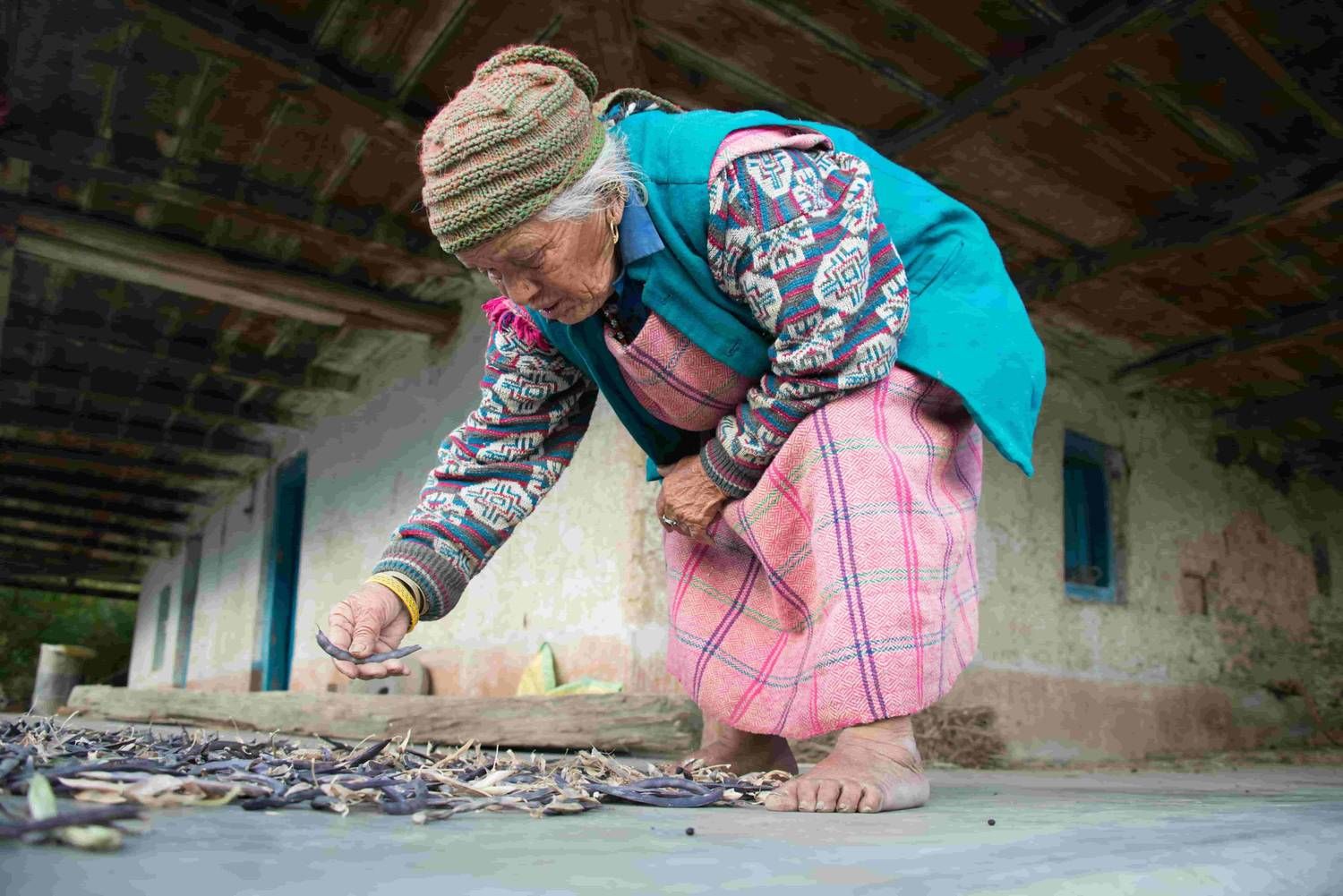
Photo by Ellen Reitman on Unsplash
Infectious Diseases Surveillance
Research
TB RDCW
Completed
TB prevalence and interventions for reducing TB and LTBI in high-risk key population of rickshaw drivers and construction workers
Ramaiah Medical College and Indian CST’s – ICMR funded project which supports NTEP’s existing guidelines to treat TB in high-risk groups (socially vulnerable and clinically high risk) and to reach the unreachable for the screening of TB and LTBI among rickshaw drivers and construction workers.
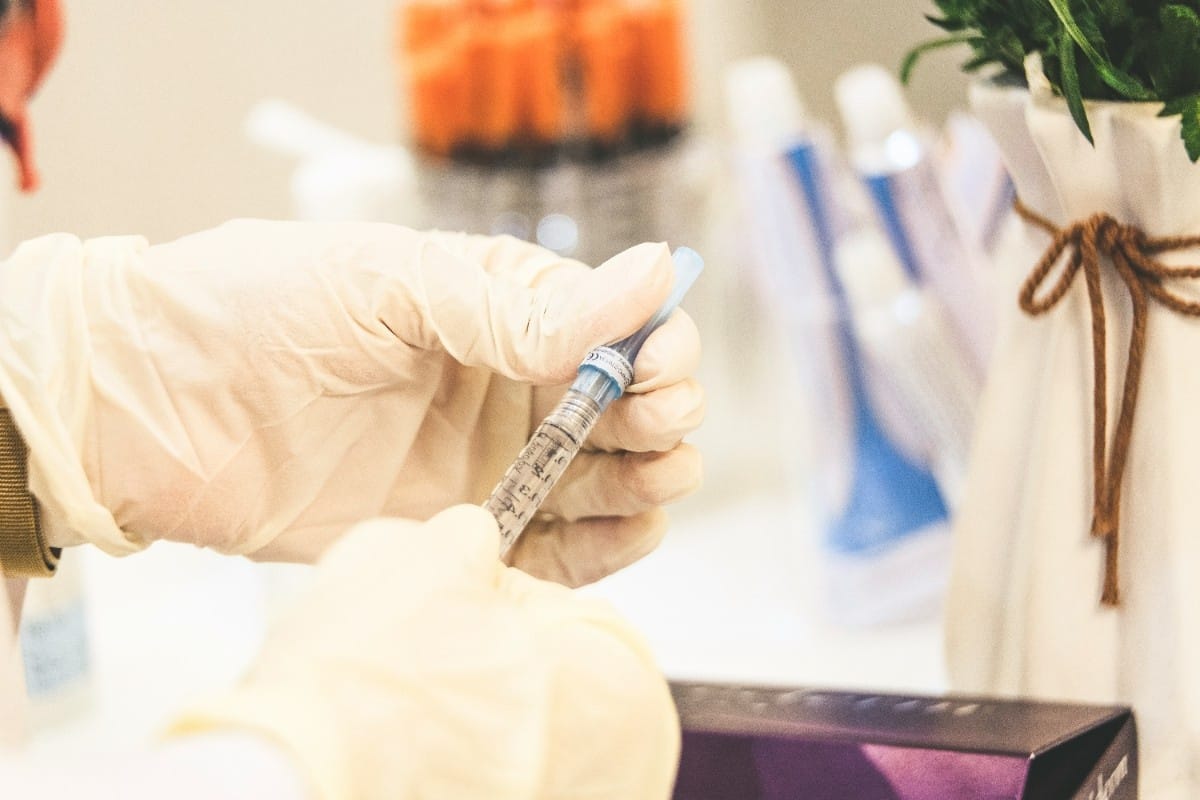
Photo by Sam Moghadam on Unsplash
Infectious Diseases Surveillance
Infectious Disease Surveillance
Lab on Wheels
Completed
An innovative point-of-care test to diagnose Chlamydiales in One Health setting InPoChlam
Modern pathology laboratories are providing Point of Care (POC) services to the needy. However, often these are inaccessible and not affordable to patients living in rural areas.
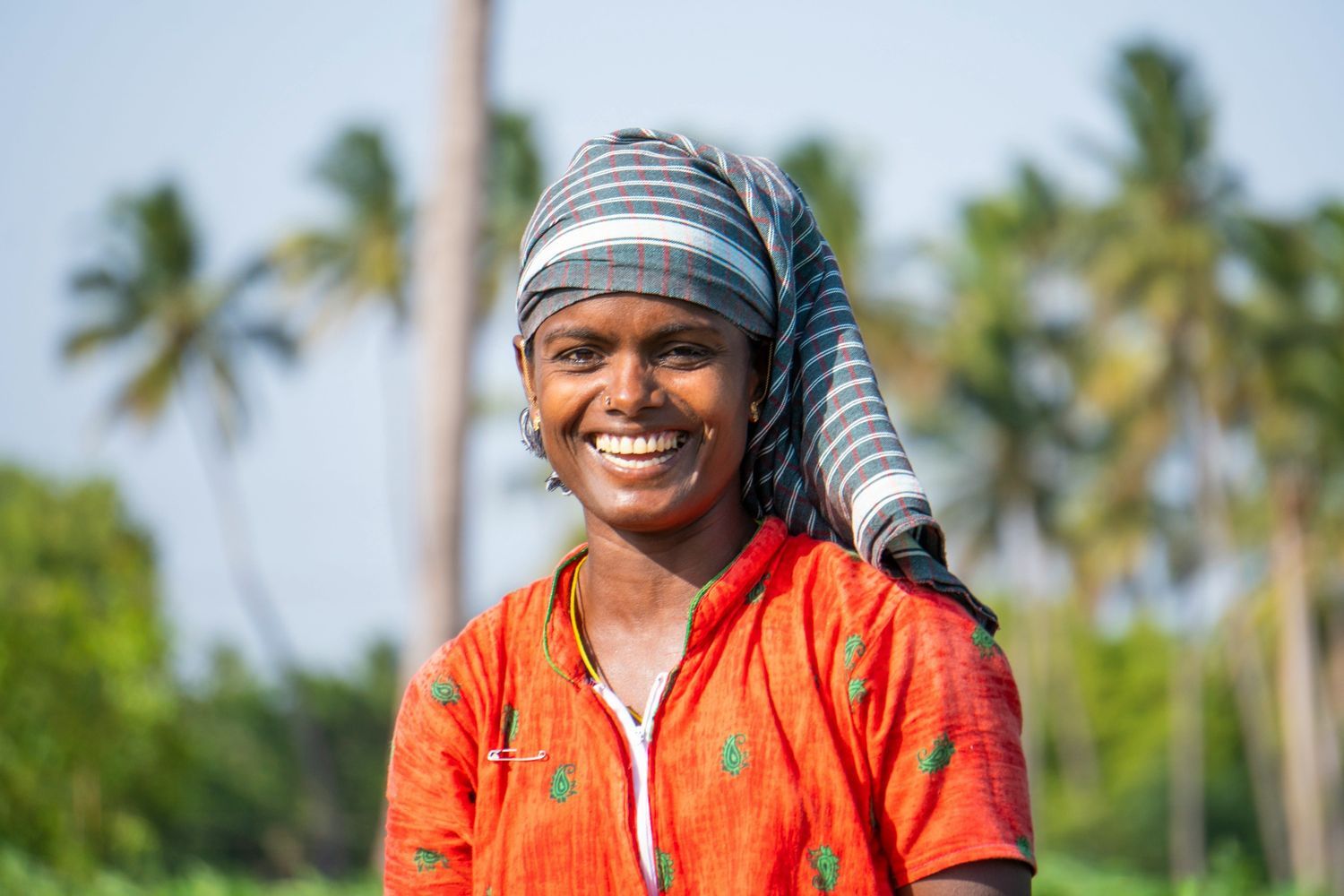
Photo by Deepak kumar on Unsplash
Infectious Diseases Surveillance
Research
RABIES-IND
Completed
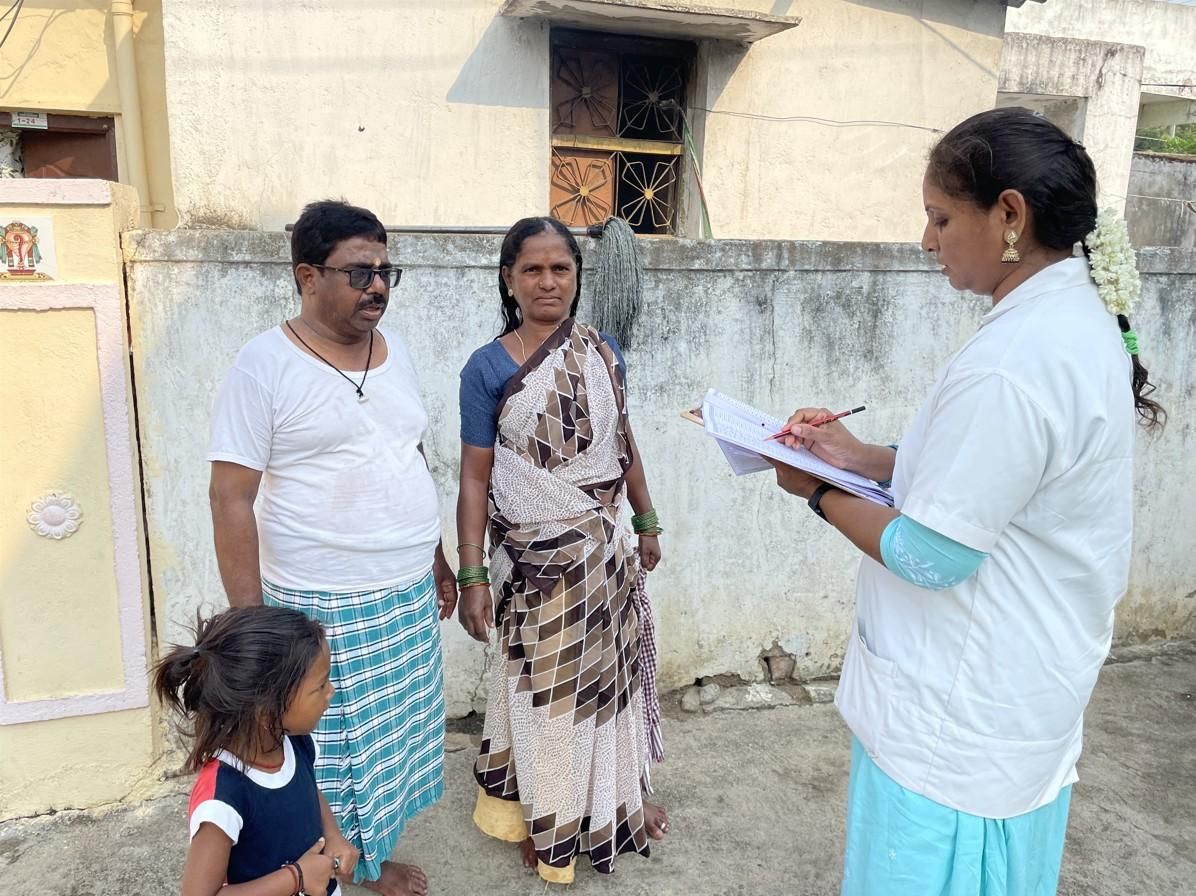
RABIES Human rabies deaths and animal bite burden in India: A cross-sectional survey
The burden of animal bites and human rabies deaths in India, assess post-exposure prophylaxis (PEP) coverage, and describe the anti-rabies vaccine (ARV) supply chain, and estimate the costs associated with animal bites. The study used a cross-sectional survey design with three components.
Infectious Diseases Surveillance
Research
EPIC-DC
Completed
Harnessing a population-based cohort for an epidemiological study on Dengue and Chikungunya and drive capacities to conduct clinical trials Investigators
An approach involving the follow-up of a defined population cohort through repeated serological surveys and syndromic acute febrile illness/influenza-like illness surveillance via fortnightly phone calls (without laboratory confirmation) to record suspected cases of COVID-19.