
Maternal Child Health Reproductive Health
Research
LIFE
Ongoing
Longitudinal Indian Family hEalth
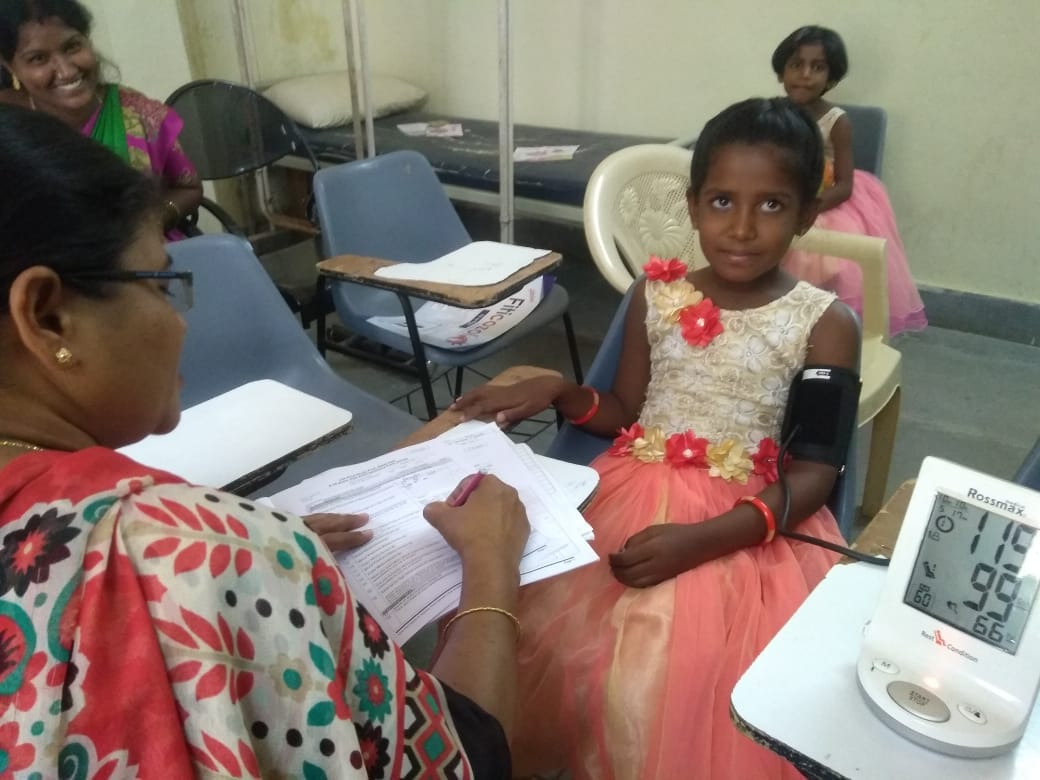
The Longitudinal Indian Family Health (LIFE) pilot study was established in 2009. The goal of this study is to understand the link between the environment in which Indian women conceive, pregnancy, and child birth, physical and mental health along with the development of the child.
Maternal Child Health Reproductive Health
Research
CATCH
Completed
Community Access To Cervical Health
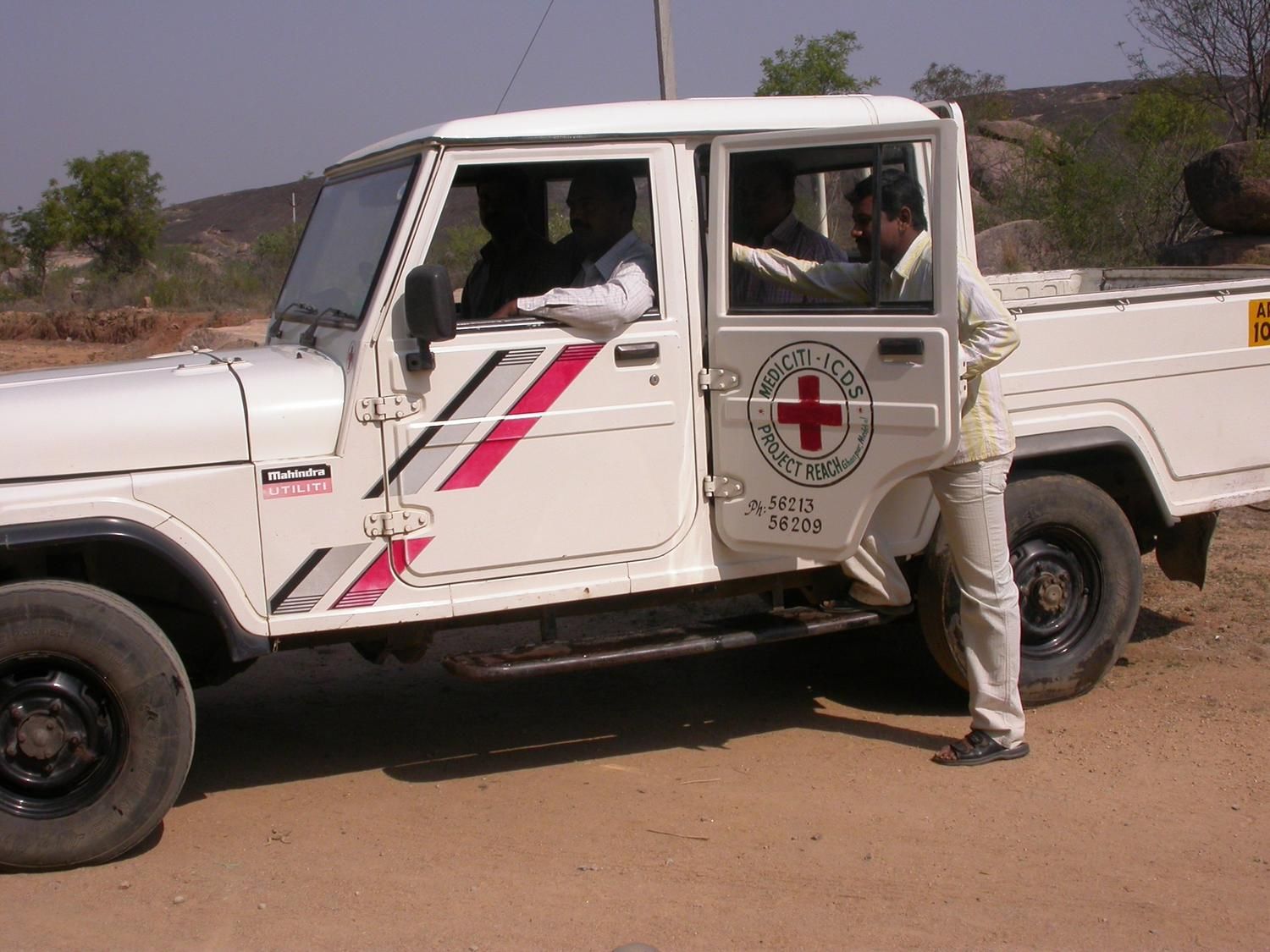
SHARE INDIA jointly with Johns Hopkins University to evaluate various strategies in screening the population for Cervical Cancer. The project was initiated in 2002 and completed in 2009, under the guidance of Prof. Keerti Shah and implemented by his associate Dr. Patti Gravitt.

Photo by Isaac Quesada on Unsplash
Maternal Child Health Reproductive Health
Research
ICMR - Stillbirth
Completed
Secondary Data Analysis for Preventing Stillbirths in India
Stillbirths are a hidden tragedy that impacts millions of women and families across the globe daily. The stillbirth rate is one of the indicators of the quality of a country's healthcare system. Stillbirths are a significant public health problem in India.
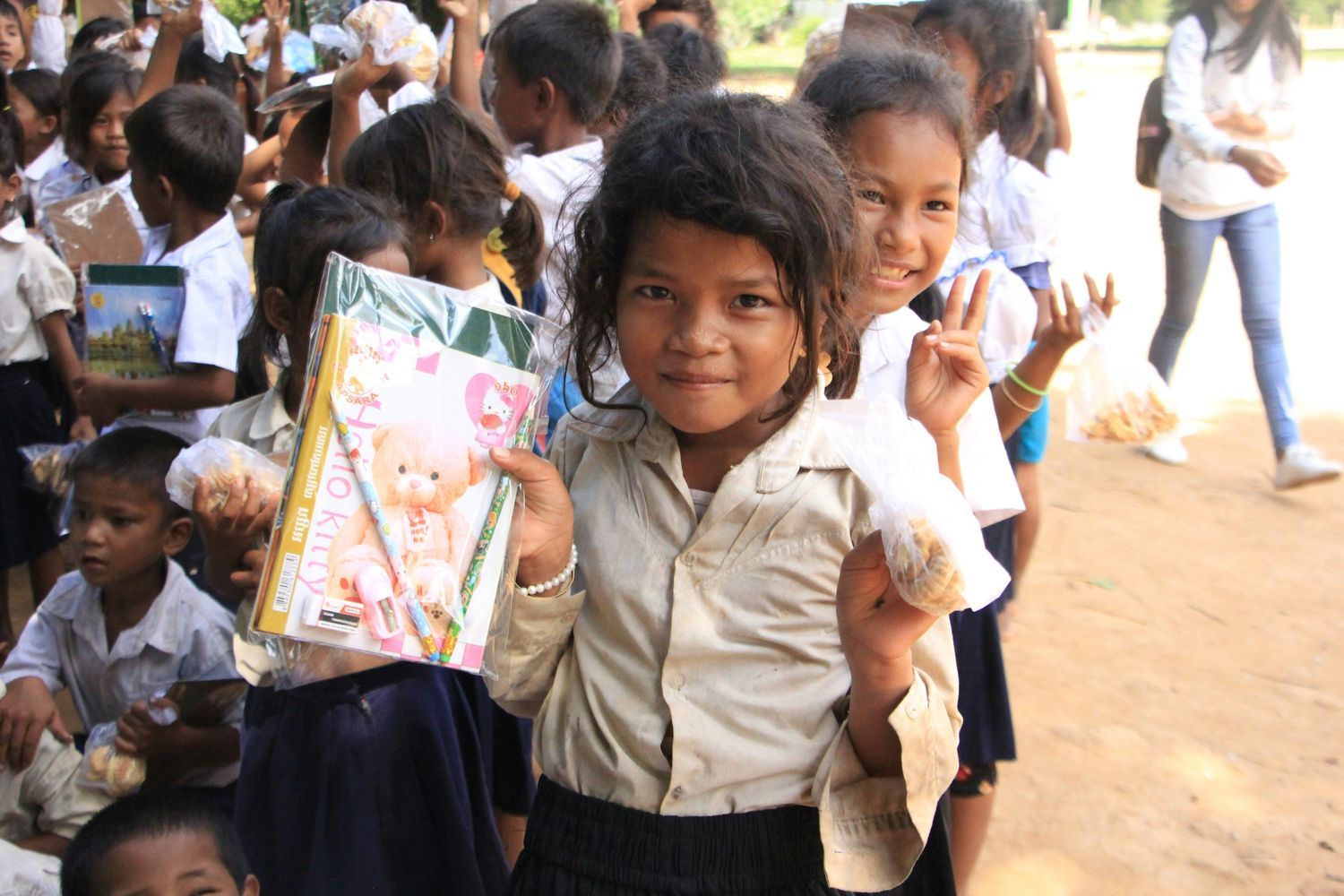
Photo by Sovannkiry Sim on Unsplash
Maternal Child Health Reproductive Health
Research
CCCI
Ongoing
Cervical Cancer Care Initiative - HPV Vaccination Component
The Cervical Cancer Care Initiative (CCCI) is implemented in five villages of Medchal-Malkajgiri district, Telangana. The initiative combines formative research, advocacy, and community engagement to improve vaccine acceptance and cervical cancer prevention.
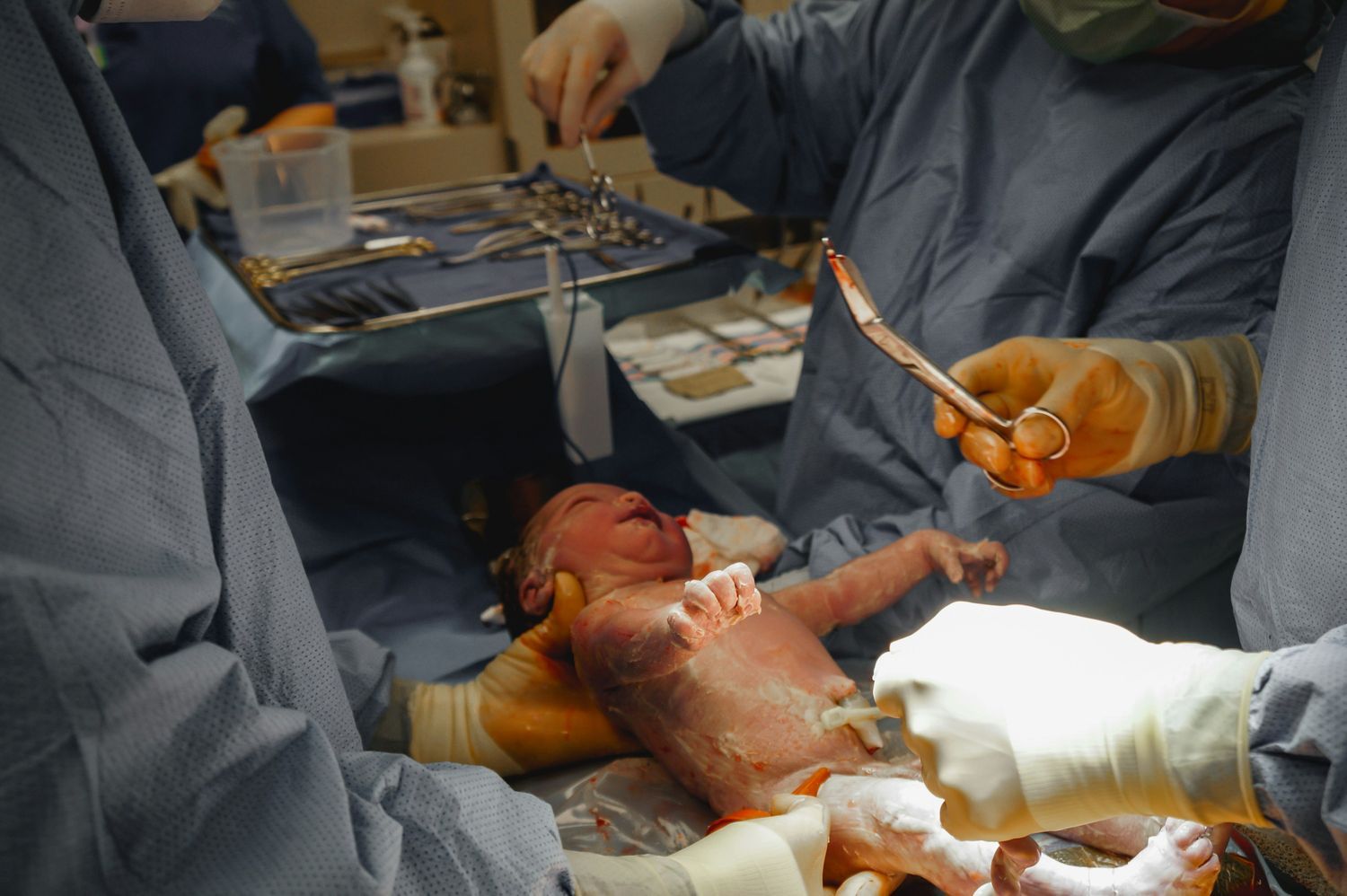
Photo by Gabriel Tovar on Unsplash
Maternal Child Health Reproductive Health
Research
CSSI
Completed
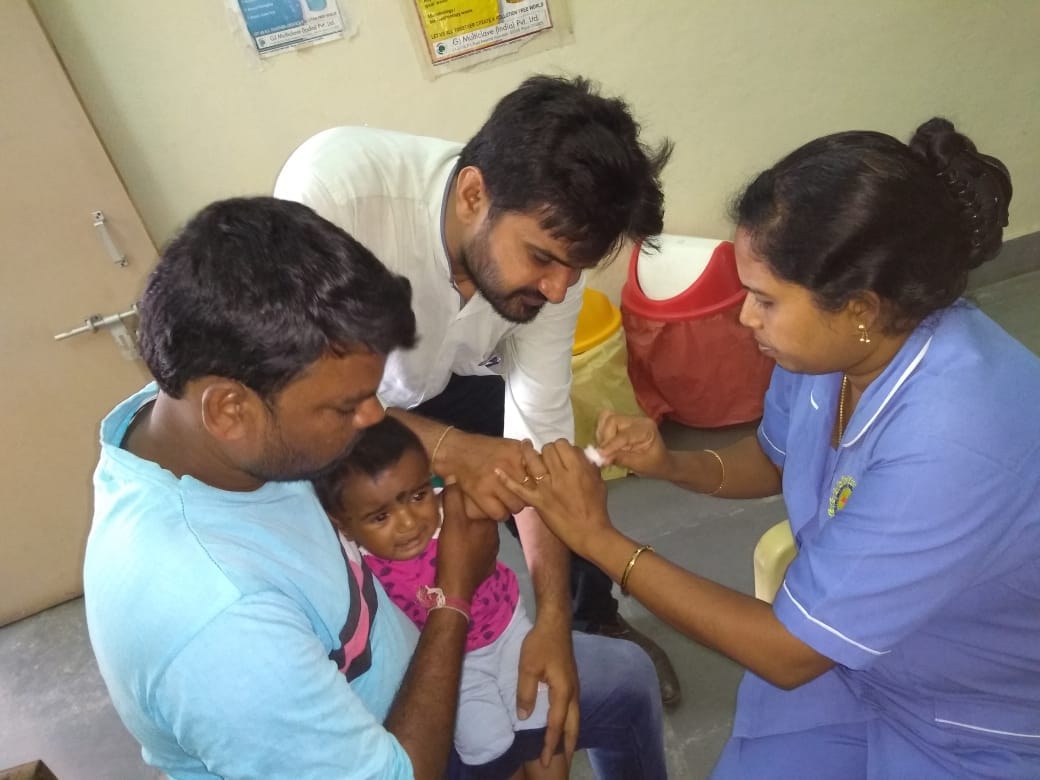
Caesarean Surgical Site Infection Study
Surgical site infections are one of the most common associated infections in the low middle-income countries. As per studies conducted in India, they make up to 14-16% of inpatient infections.
Maternal Child Health Reproductive Health
Research
ABCs
Completed
In Infants (Asian Indian Beta-Cells in Infants) Maternal Nutritional Status and Pancreatic Beta Cell Function in Asian Indian Infants
This study explores the relationship between maternal weight and early pancreatic beta cell function in infants. Pancreatic beta cells play a critical role in insulin production and regulation of blood glucose levels, which are essential for metabolic health.
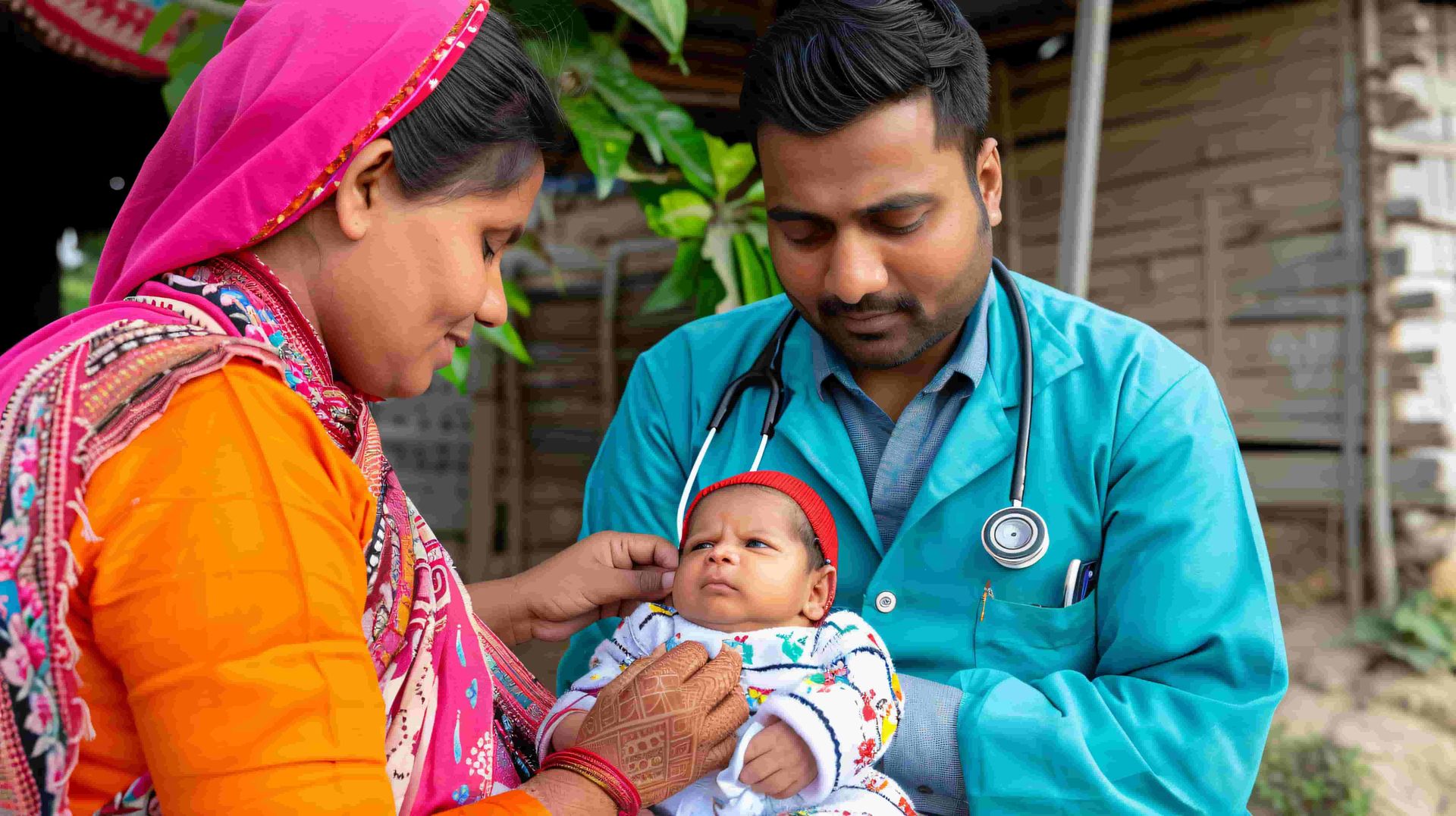
Photo by freepik
Maternal Child Health Reproductive Health
Research
GEM-P
Completed
Mycoplasma genitalium, differentiated Urea plasma Species and Pregnancy Outcome
Reproductive tract infections (RTI) present major health, social, and economic problems for women in developing countries. The objective is to understand pregnancy outcomes due to reproductive tract infections in India.
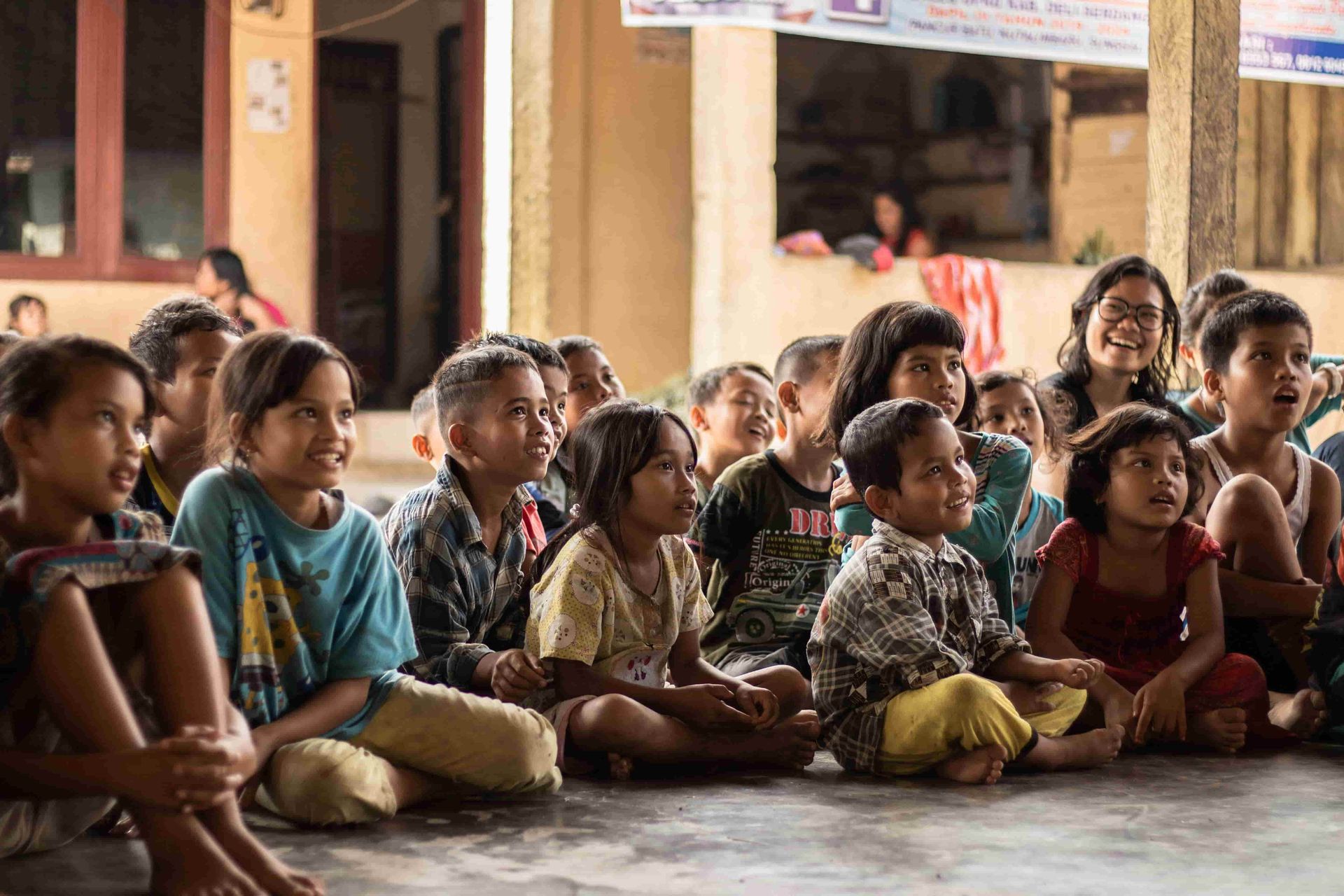
Photo by Yannis H on Unsplash
Maternal Child Health Reproductive Health
Research
MICRO-LIFE
Completed
The influence of vaginal microbiota on adverse pregnancy outcome in the LIFE study
Studies conducted earlier across the globe have demonstrated that, a homogeneous Lactobacillus-dominated microbiome has long been considered the hallmark of health in the female reproductive tract.
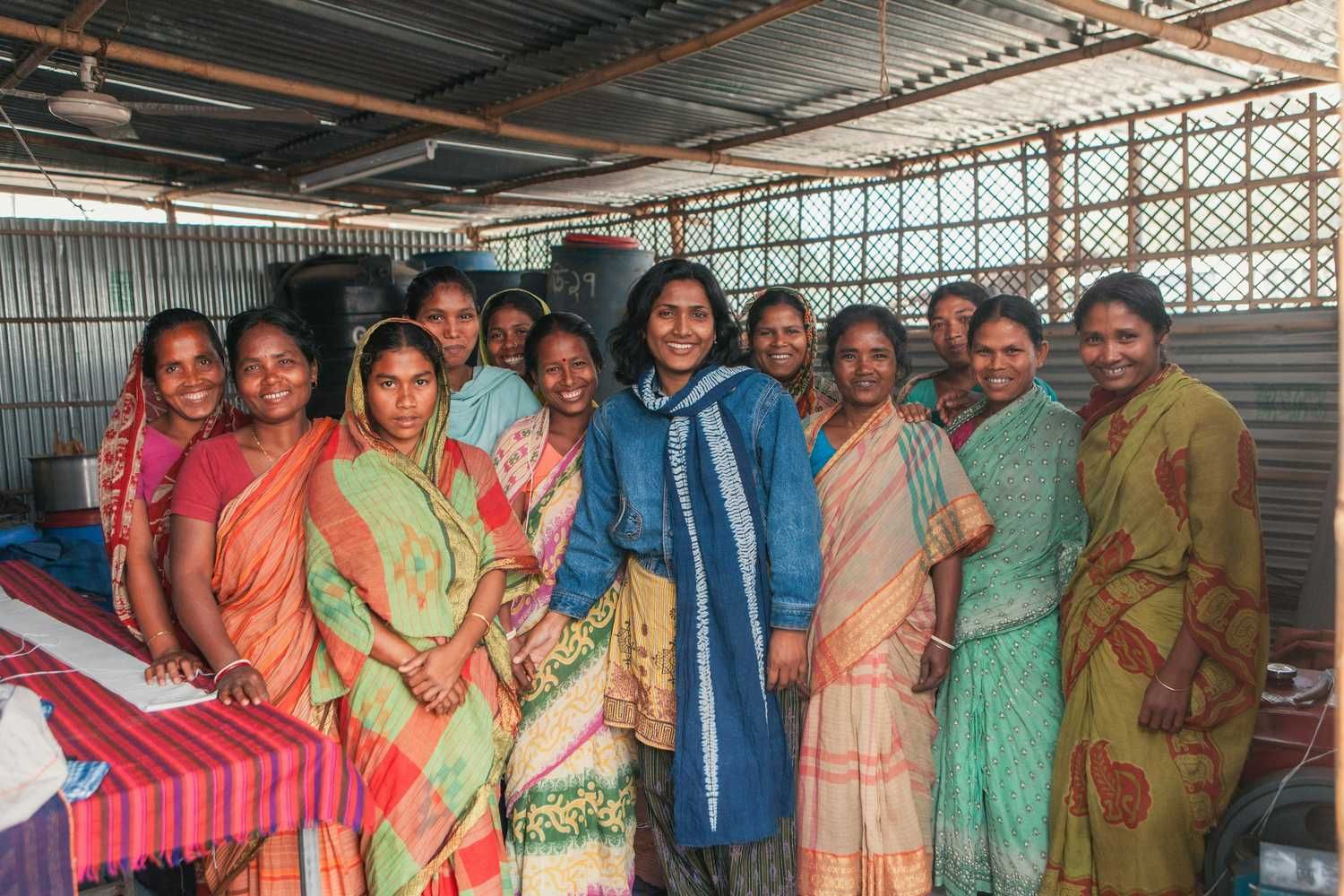
Photo by Ian Taylor on Unsplash
Maternal Child Health Reproductive Health
Research
DAMP
Completed
The role of pre-pregnancy and pre-natal danger associated molecular patterns in pregnancy complications (DAMP) - LIFE Study Samples
Early pregnancy loss is non-induced embryonic or fatal death or passage of products of conception before 20 weeks’ gestation. Early pregnancy loss is also termed as spontaneous abortion or miscarriage.
Maternal Child Health Reproductive Health
Research
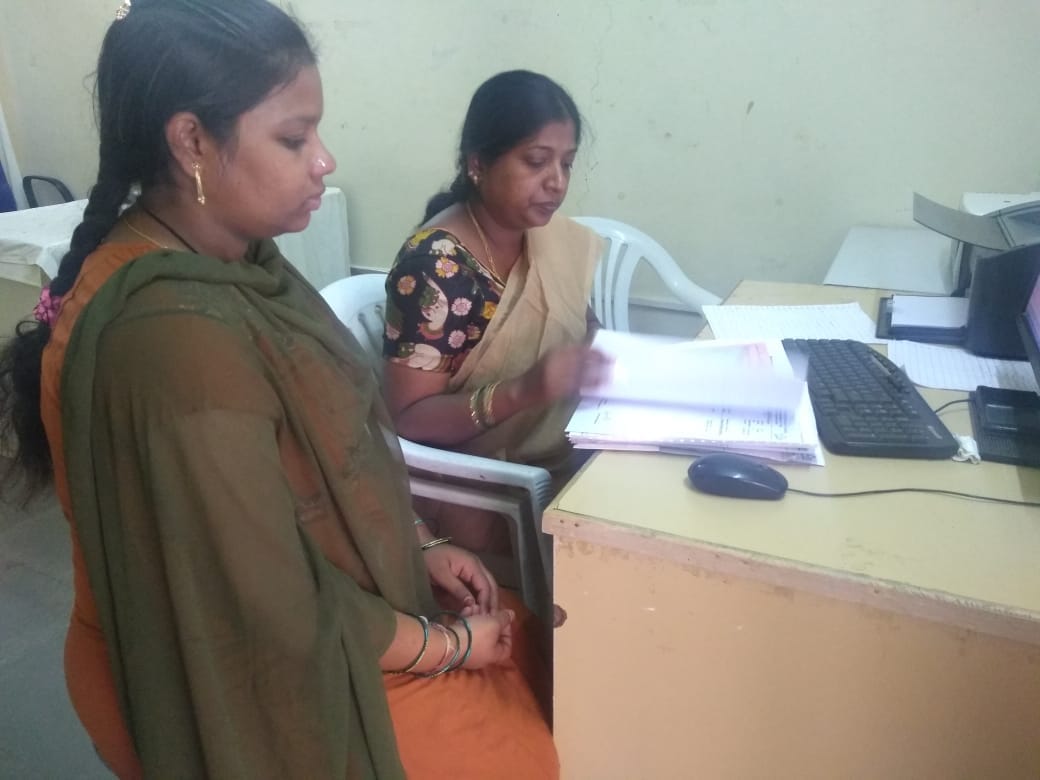
HELP
Completed
HEaLthy Pregnancy Study
Hypertensive disorders of the pregnancy cover a spectrum of conditions including preeclampsia, eclampsia, chronic hypertension and preeclampsia superimposed on chronic hypertension.
Maternal Child Health Reproductive Health
Research
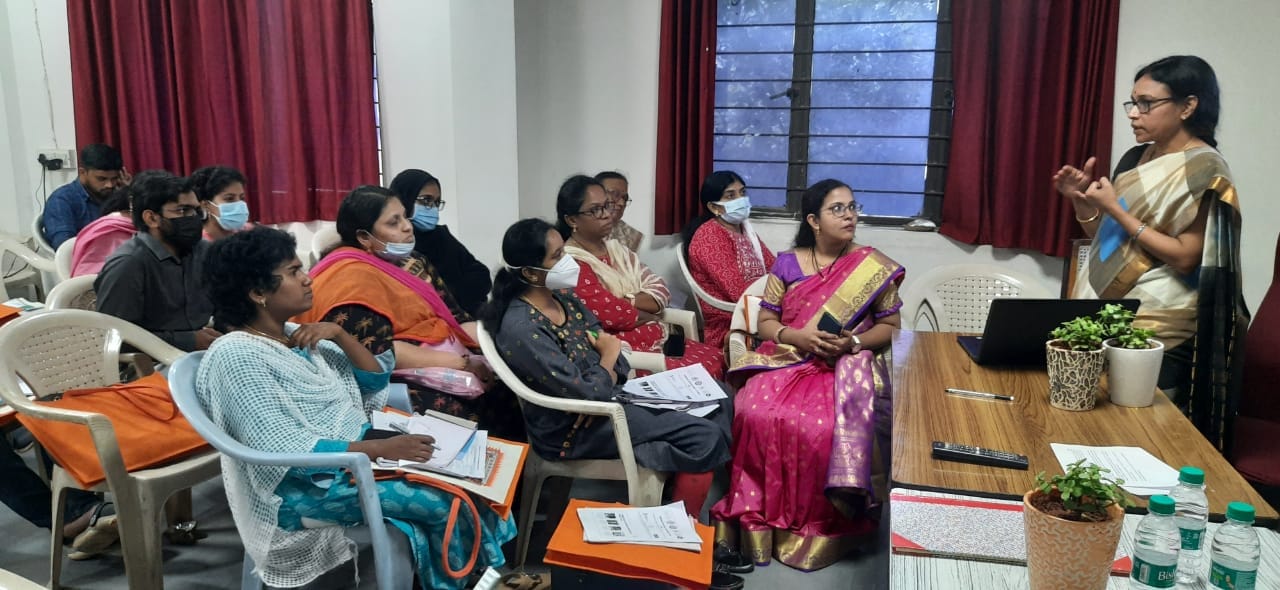
mIRA
Completed
A cluster randomized trial of an mHealth integrated model of hypertension, diabetes and antenatal care in primary care settings in India and Nepal
India has made significant progress in reducing maternal mortality over the past two decades; however, the burden remains substantial, and achieving the Sustainable Development Goal target by 2030 requires continued efforts.
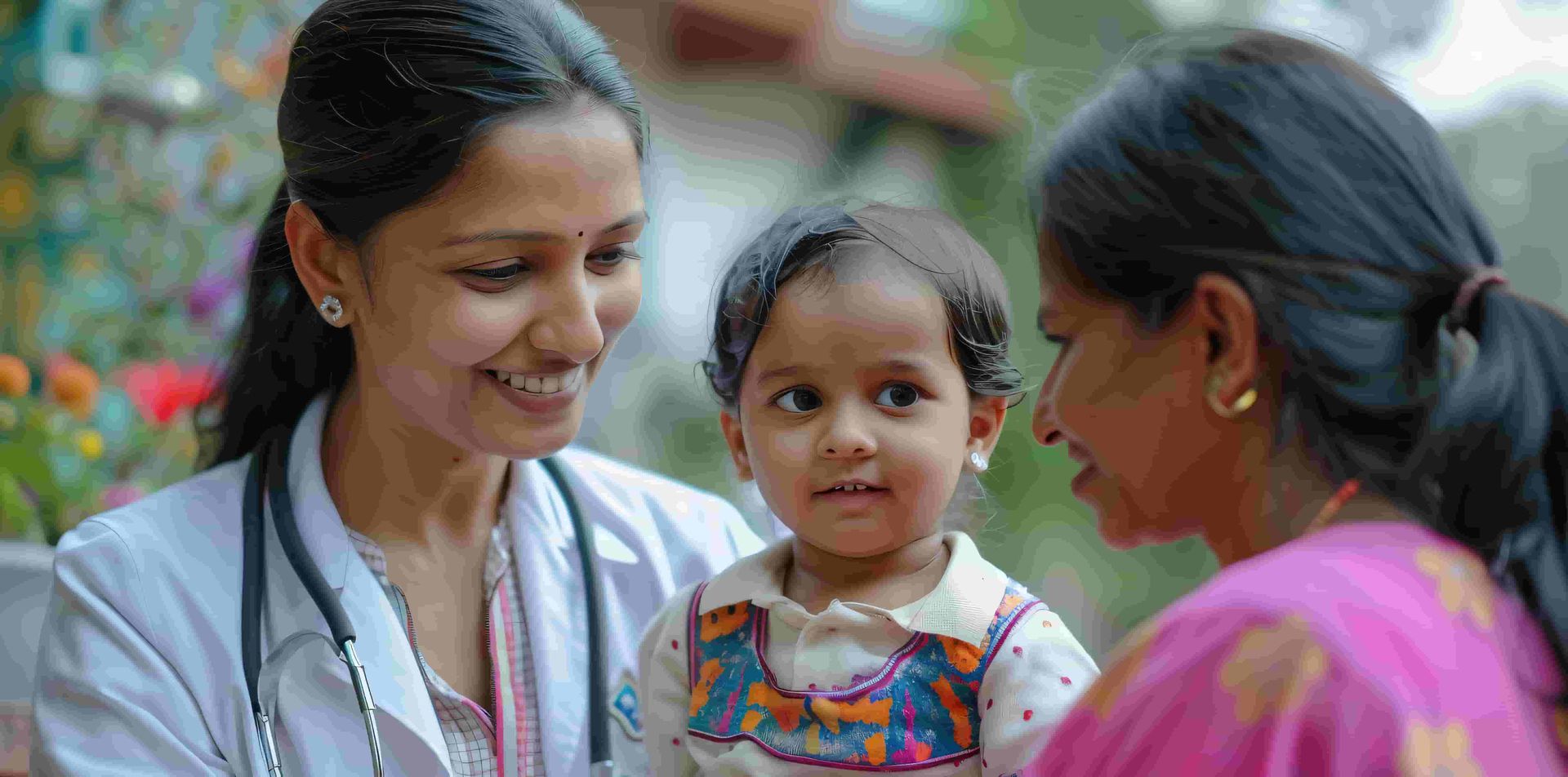
Photo by freepik
Maternal Child Health Reproductive Health
Research
ARI Monitor
Completed
Comprehensive Intelligent ARI Monitor for Early Detection of Pneumonia In Rural Areas of Medchal Mandal, Andhra Pradesh
SHARE INDIA and Birla Institute of Technology and Science, Hyderabad Campus developed a low-cost ARI monitor that measures key infant vital signs (HR, RR, SpO₂, temperature) and displays real-time data on mobile devices.