Maternal Child Health Reproductive Health
Research
CATCH
Completed
Community Access To Cervical Health
SHARE INDIA jointly with Johns Hopkins University to evaluate various strategies in screening the population for Cervical Cancer. The project was initiated in 2002 and completed in 2009, under the guidance of Prof. Keerti Shah and implemented by his associate Dr. Patti Gravitt.
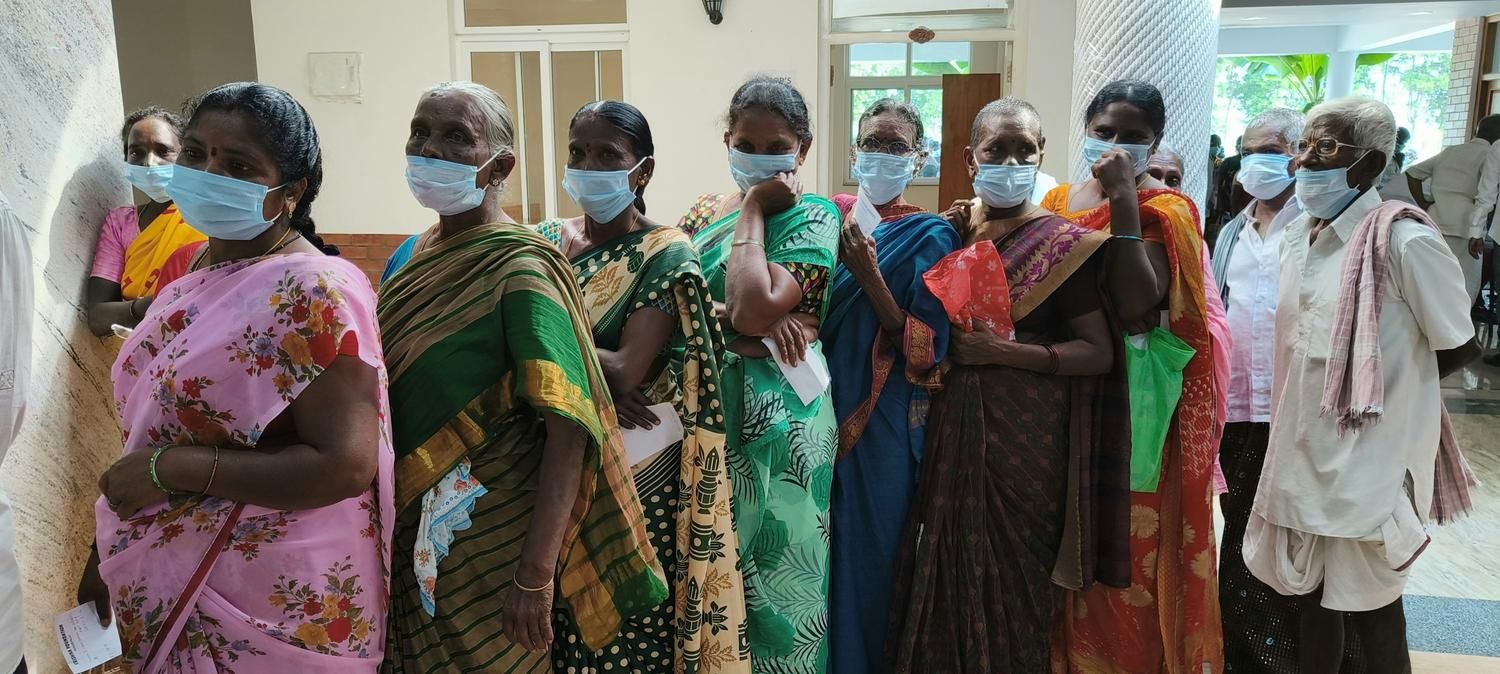
Photo by Bhupathi Srinu on Unsplash
Clinical Trials
Research
PROTECT-TB
Completed
A Phase III, randomised, double blind, three arm placebo controlled trial to evaluate the efficacy and safety of two vaccines VPM1002 and Immuvac (Mw) in preventing Tuberculosis (TB) in healthy household contacts of newly diagnosed sputum positive pulmonary TB patients
The Indian Council of Medical Research (ICMR) the apex governing. body in India for the formulation, coordination and promotion of biomedical research selected SHARE INDIA and MediCiti Institute of Medical Sciences (MIMS) as s sub site of Bhagwan Mahavir Medical Research Center (MMMRC) for a vaccine study.
Non Communicable Diseases
Research
MILES
Completed
Mobility and Independent Living in Elders Study
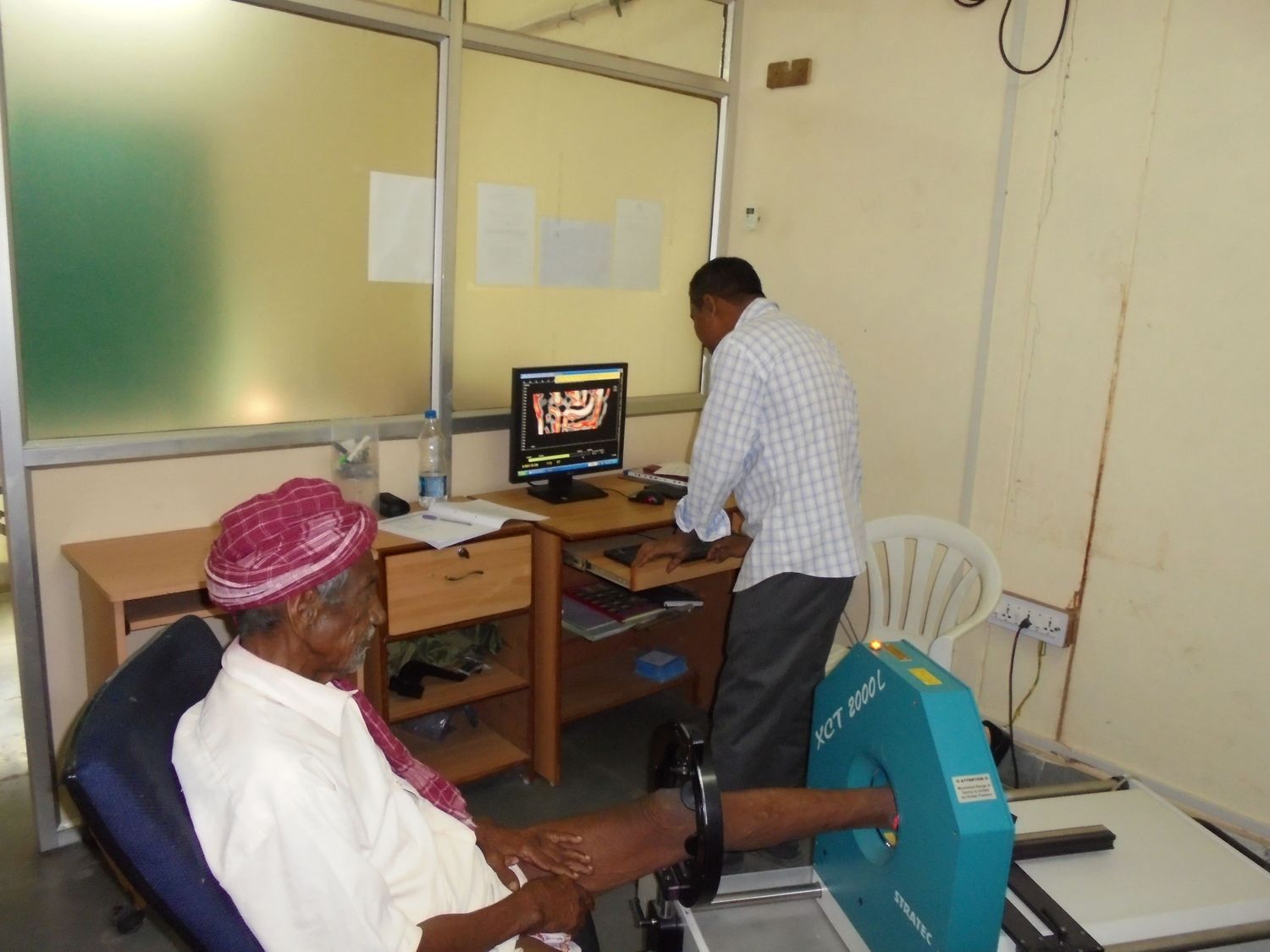
This longitudinal study, initiated in 2012, was designed to examine the burden of age-related chronic diseases and associated risk factors among older adults in rural India. The study was implemented in the Medchal region of Telangana, through collaboration between SHARE INDIA, MediCiti Institute of Medical Sciences
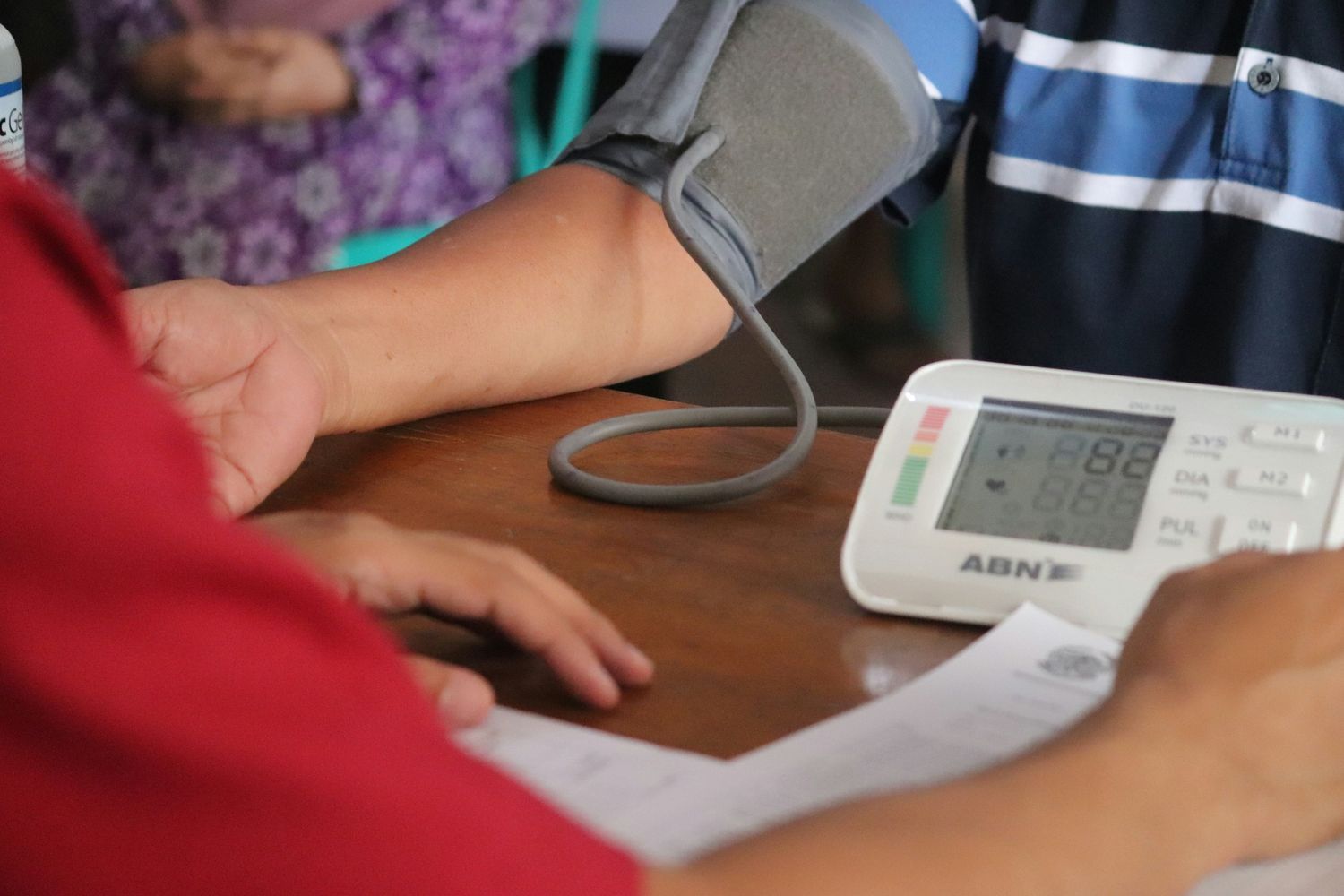
Photo by Mufid Majnun on Unsplash
Technical Assistance To Government Of India
Research
MS HIV
Completed
Metabolic Syndrome among People Living with HIV - An Indian Perspective
Metabolic Syndrome (MetS) is a cluster of metabolic abnormalities—including central obesity hypertension, dyslipidemia, and hyperglycemia—that increase the risk of cardiovascular disease and type 2 diabetes. While MetS prevalence in urban Indian populations is reported to be high (approximately one in three adults), limited data exist for tribal populations.
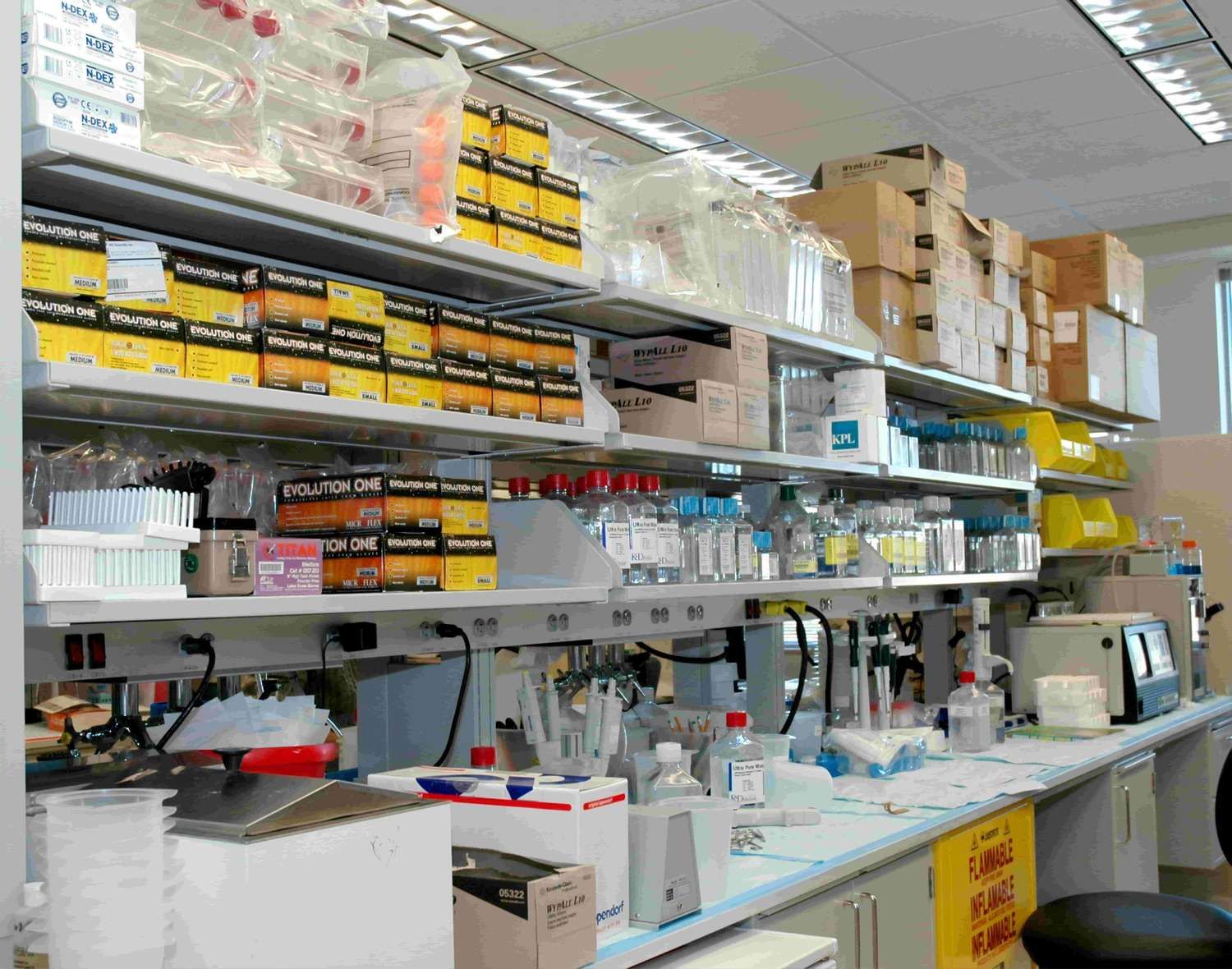
Photo by National Cancer Institute on Unsplash
Infectious Diseases Surveillance
Research
TB-QMS
Completed
Improving TB Diagnosis at Designated Microscopy Centers by Introduction of Quality Management Systems and Optimum Utilization of Rapid Molecular Diagnostics and its Cost Implication
A weak Quality Management System (QMS) may result in laboratory errors that can lead to both over- and under-diagnosis of TB, interruptions in service, and delayed reporting of results, leading to a negative impact on patient care.

Photo by Isaac Quesada on Unsplash
Maternal Child Health Reproductive Health
Research
ICMR - Stillbirth
Completed
Secondary Data Analysis for Preventing Stillbirths in India
Stillbirths are a hidden tragedy that impacts millions of women and families across the globe daily. The stillbirth rate is one of the indicators of the quality of a country's healthcare system. Stillbirths are a significant public health problem in India.
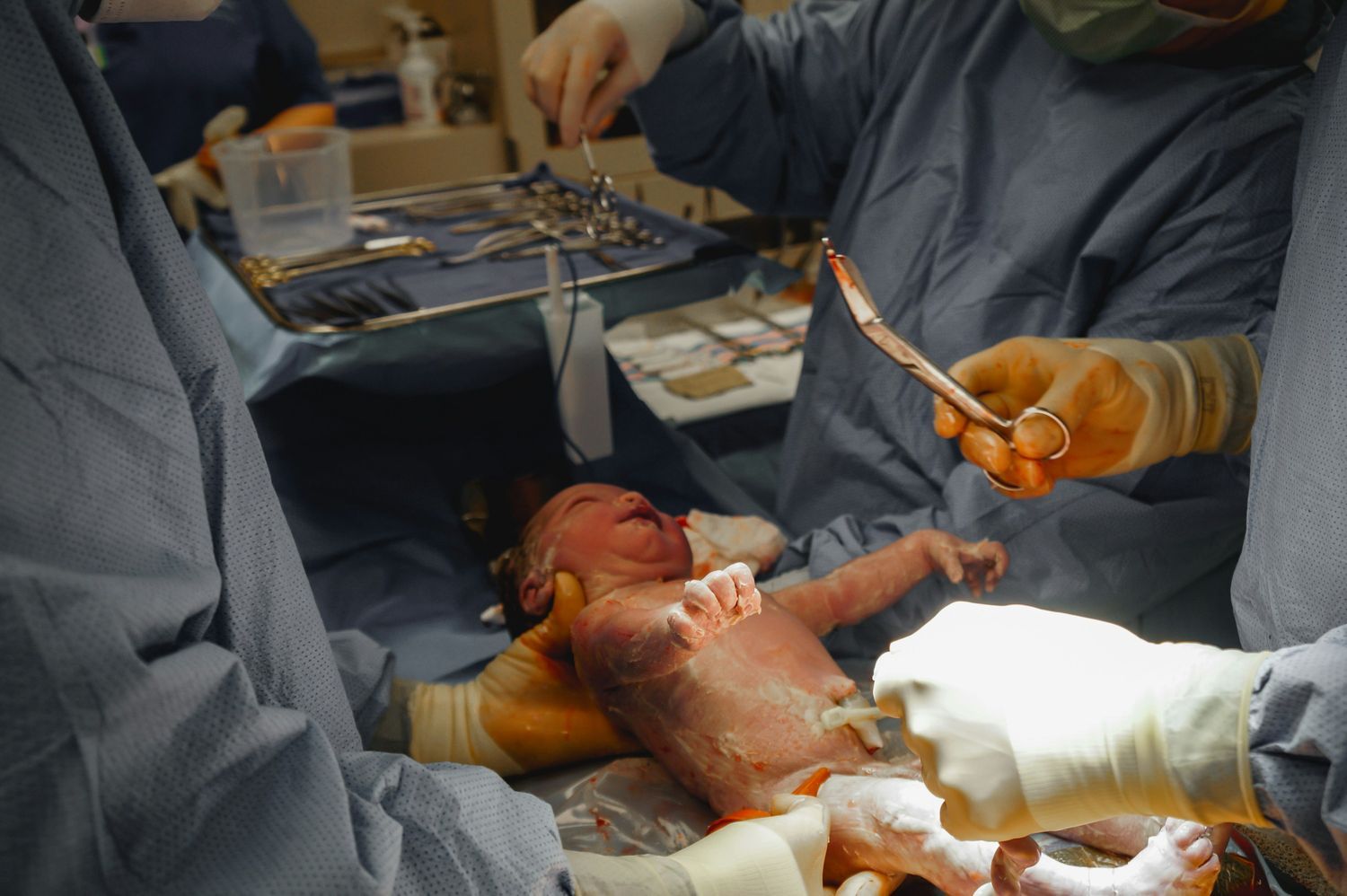
Photo by Gabriel Tovar on Unsplash
Maternal Child Health Reproductive Health
Research
CSSI
Completed
Caesarean Surgical Site Infection Study
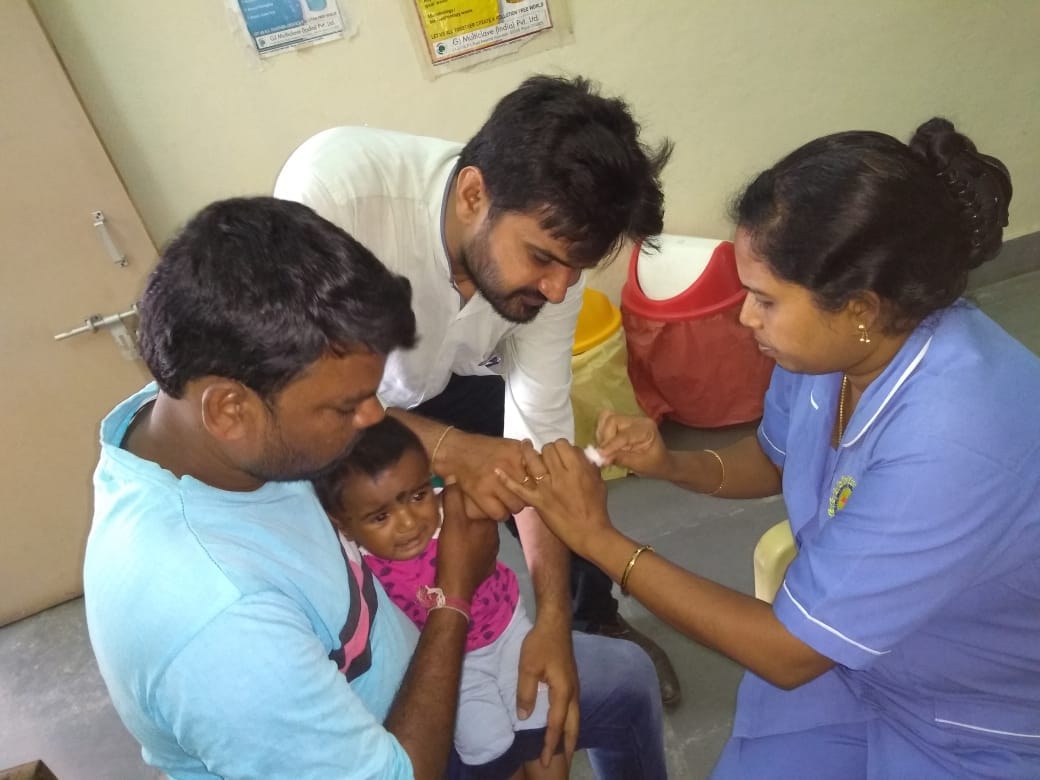
Surgical site infections are one of the most common associated infections in the low middle-income countries. As per studies conducted in India, they make up to 14-16% of inpatient infections.
Maternal Child Health Reproductive Health
Research
ABCs
Completed
In Infants (Asian Indian Beta-Cells in Infants) Maternal Nutritional Status and Pancreatic Beta Cell Function in Asian Indian Infants
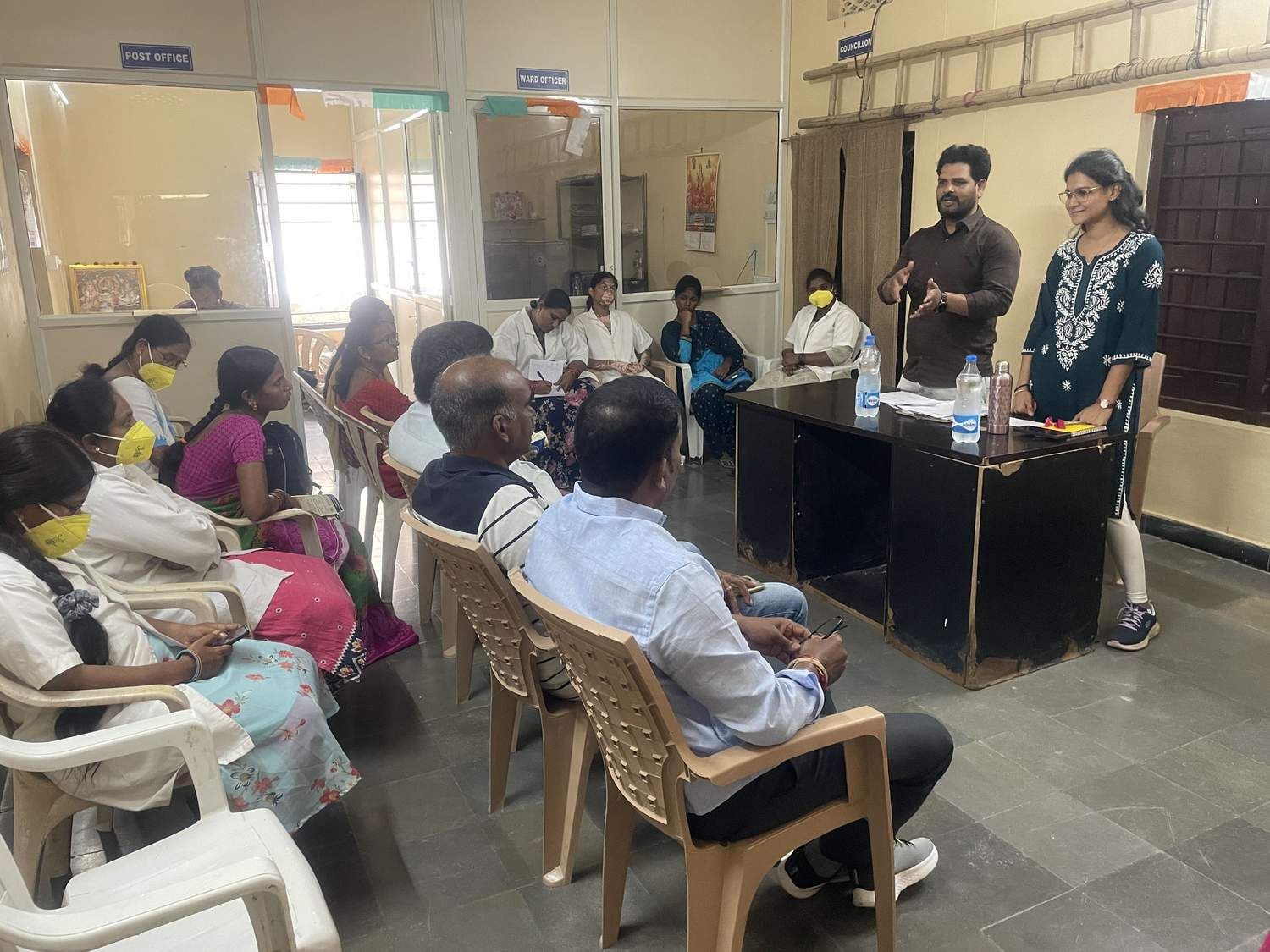
This study explores the relationship between maternal weight and early pancreatic beta cell function in infants. Pancreatic beta cells play a critical role in insulin production and regulation of blood glucose levels, which are essential for metabolic health.
Infectious Diseases Surveillance
Research
DNG 10
Completed
Prospective dengue sero-prevalence Study in 5- to 10-Year-old children in India – A community based descriptive cross sectional study
A community-based, descriptive prospective seroprevalence study designed to determine the prevalence of specific antibodies ( IgG ) against dengue in healthy 5 to 10 year old children across 10 sites in India of which two sites, 006 (Gundlapochampally) and 007 (Ravalkol) were allocated to SHARE INDIA
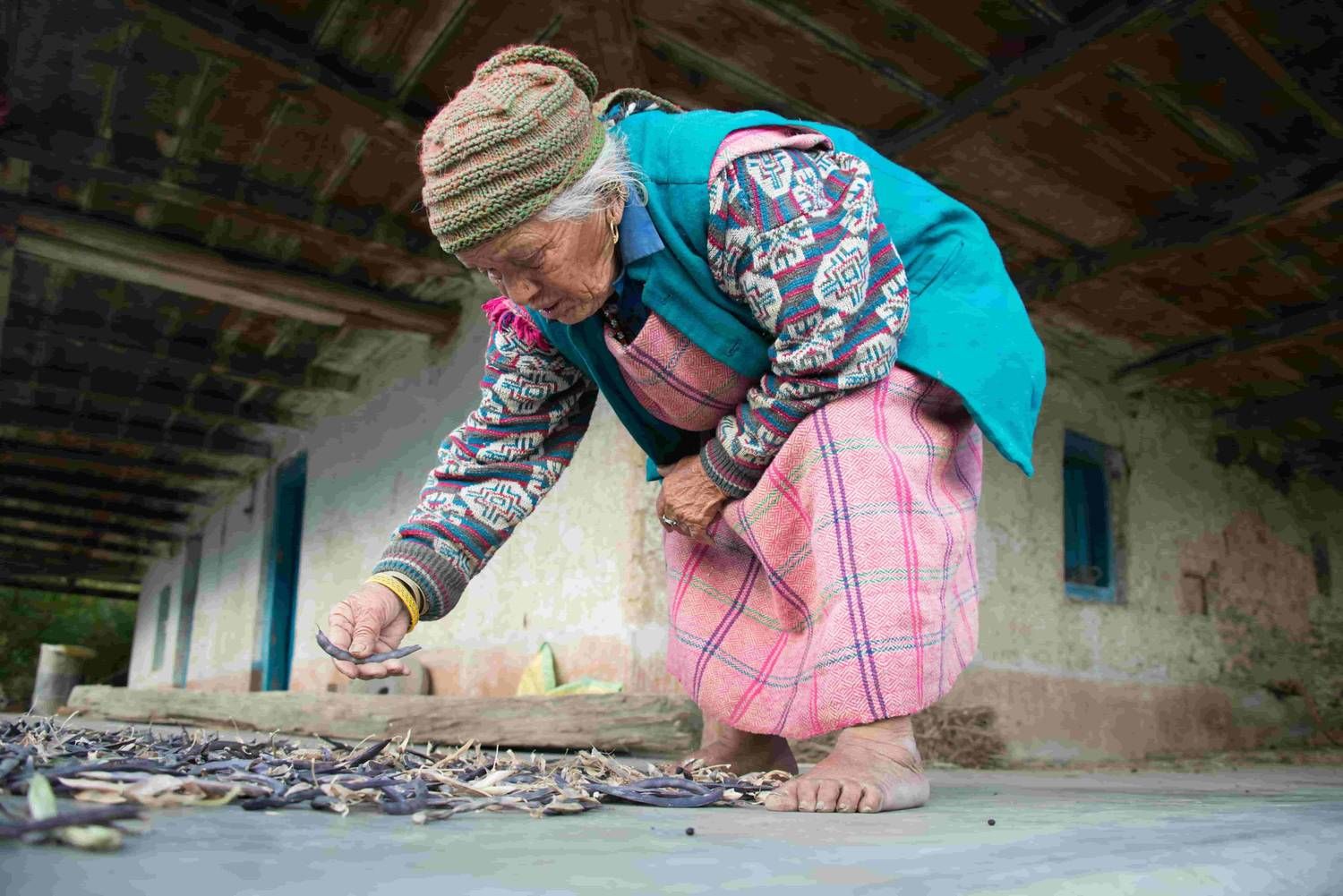
Photo by Ellen Reitman on Unsplash
Infectious Diseases Surveillance
Research
TB RDCW
Completed
TB prevalence and interventions for reducing TB and LTBI in high-risk key population of rickshaw drivers and construction workers
Ramaiah Medical College and Indian CST’s – ICMR funded project which supports NTEP’s existing guidelines to treat TB in high-risk groups (socially vulnerable and clinically high risk) and to reach the unreachable for the screening of TB and LTBI among rickshaw drivers and construction workers.
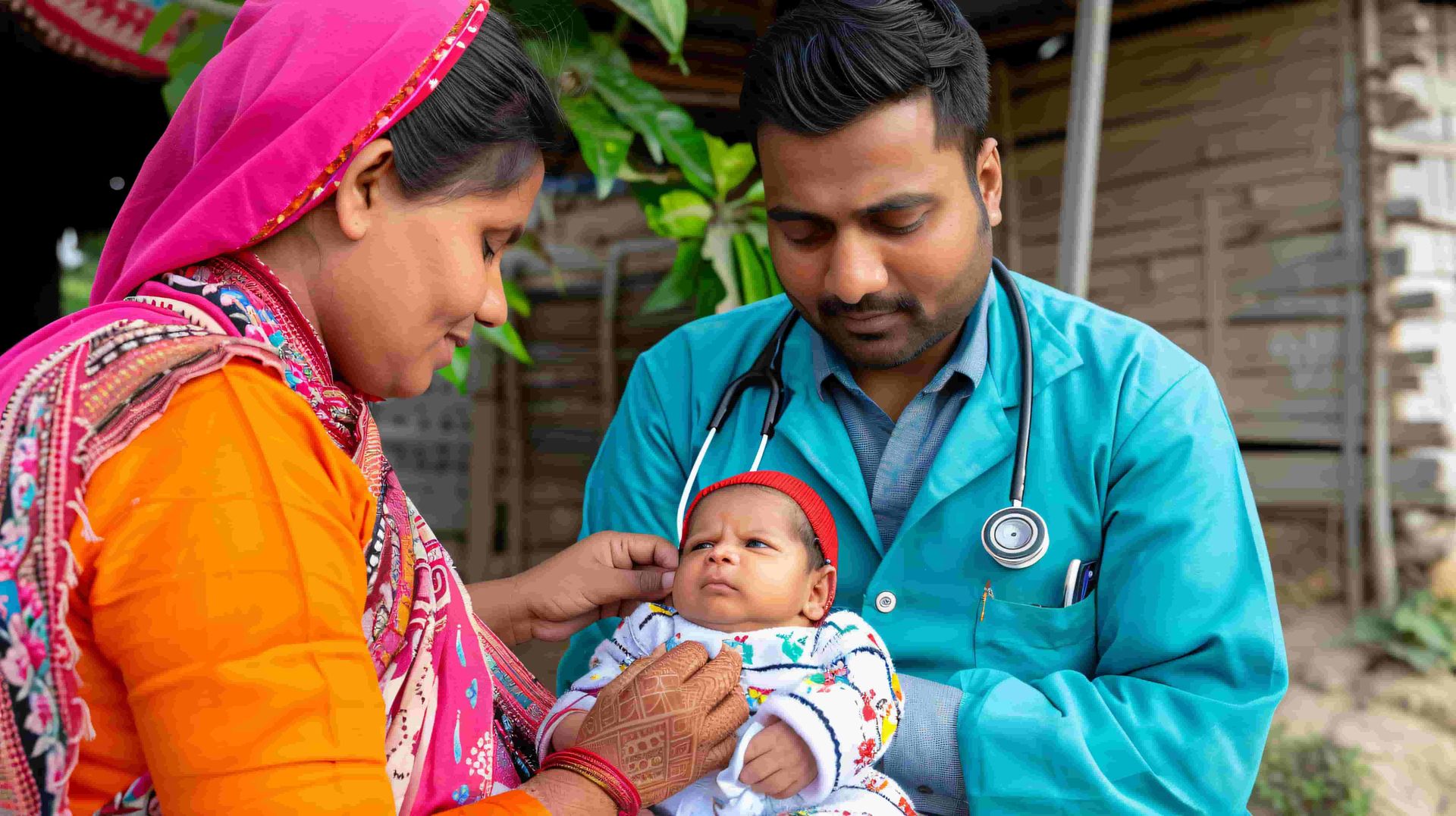
Photo by freepik
Maternal Child Health Reproductive Health
Research
GEM-P
Completed
Mycoplasma genitalium, differentiated Urea plasma Species and Pregnancy Outcome
Reproductive tract infections (RTI) present major health, social, and economic problems for women in developing countries. The objective is to understand pregnancy outcomes due to reproductive tract infections in India.
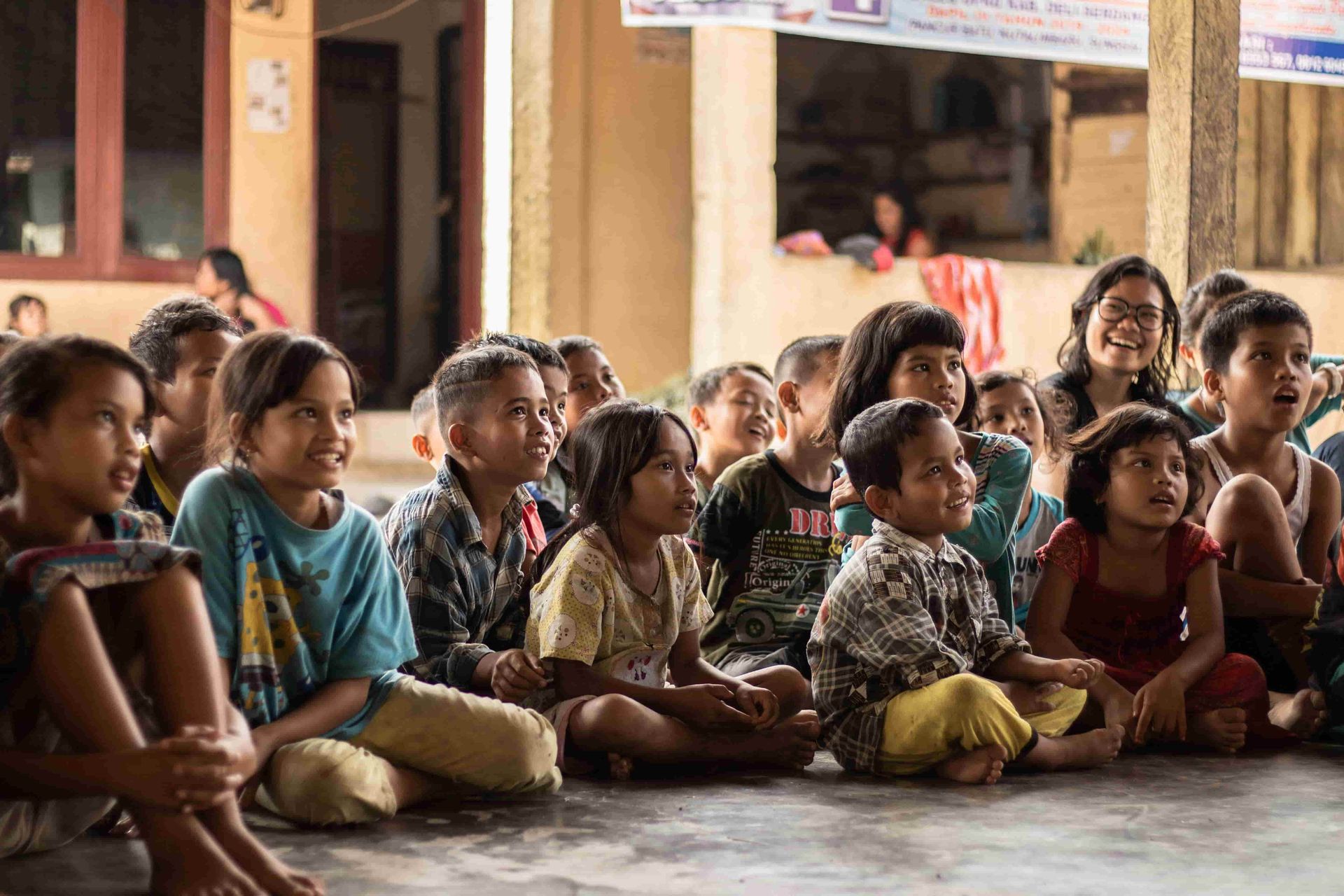
Photo by Yannis H on Unsplash
Maternal Child Health Reproductive Health
Research
MICRO-LIFE
Completed
The influence of vaginal microbiota on adverse pregnancy outcome in the LIFE study
Studies conducted earlier across the globe have demonstrated that, a homogeneous Lactobacillus-dominated microbiome has long been considered the hallmark of health in the female reproductive tract.
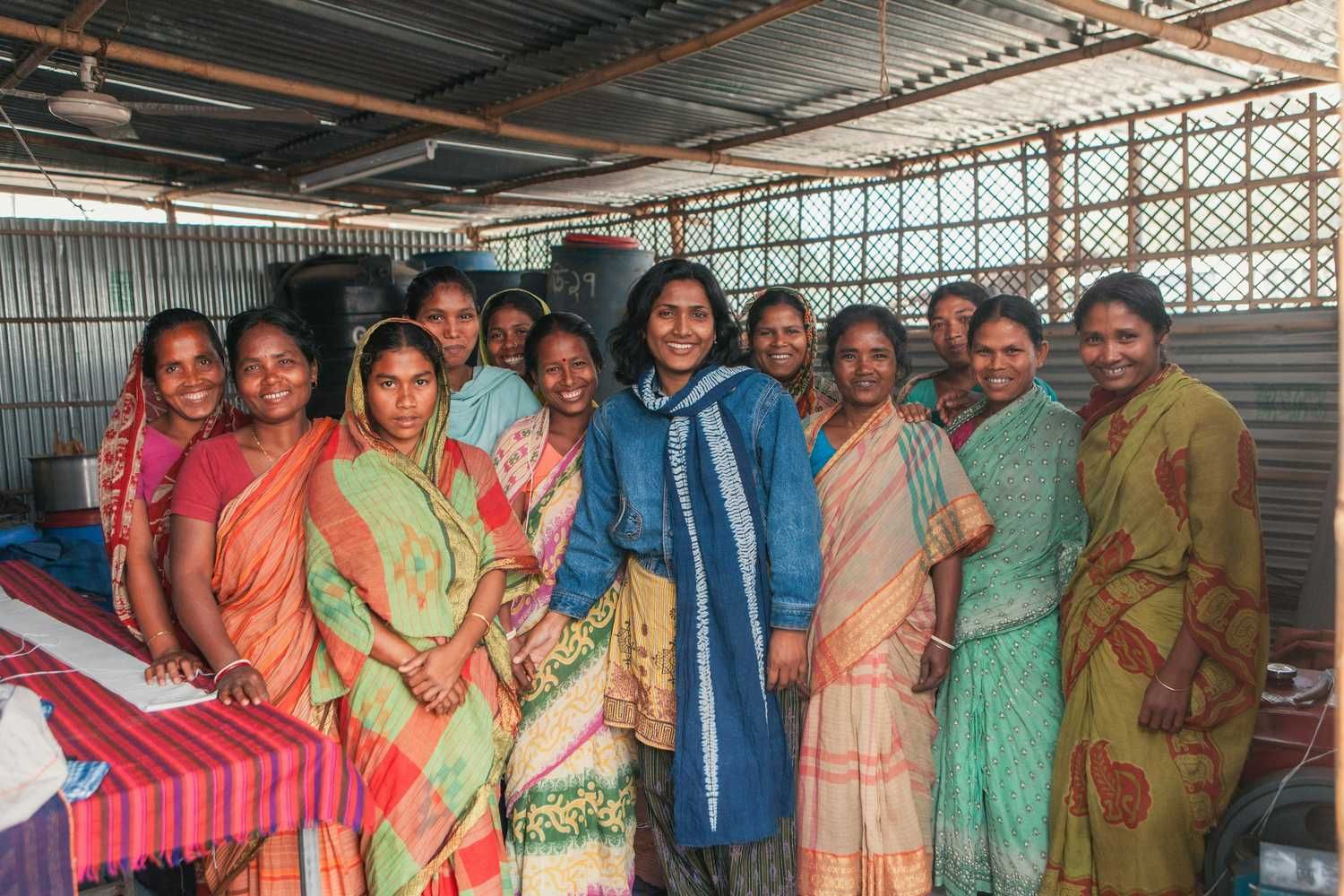
Photo by Ian Taylor on Unsplash
Maternal Child Health Reproductive Health
Research
DAMP
Completed
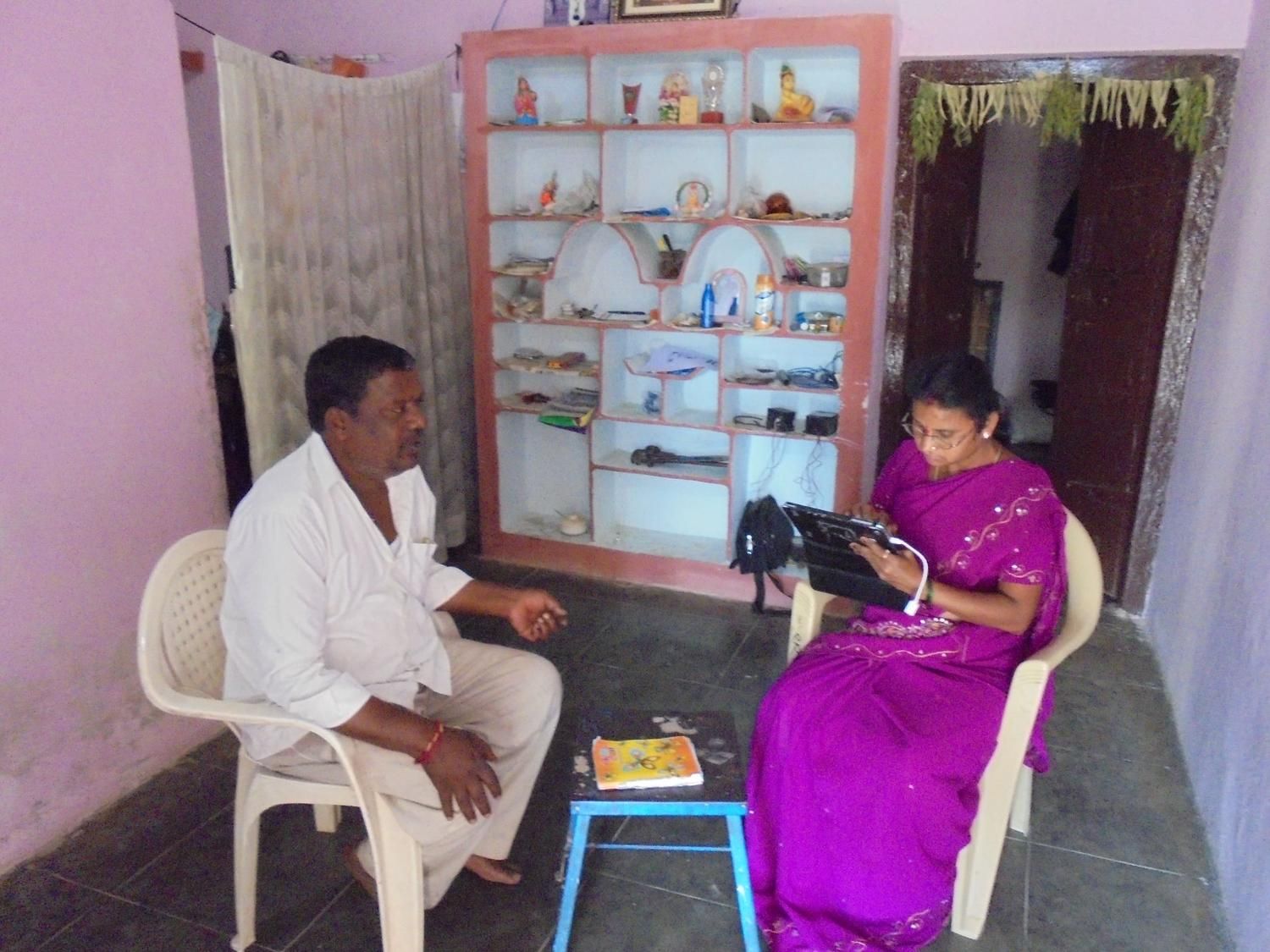
The role of pre-pregnancy and pre-natal danger associated molecular patterns in pregnancy complications (DAMP) - LIFE Study Samples
Early pregnancy loss is non-induced embryonic or fatal death or passage of products of conception before 20 weeks’ gestation. Early pregnancy loss is also termed as spontaneous abortion or miscarriage.
Non Communicable Diseases
Research
TETRA
Completed
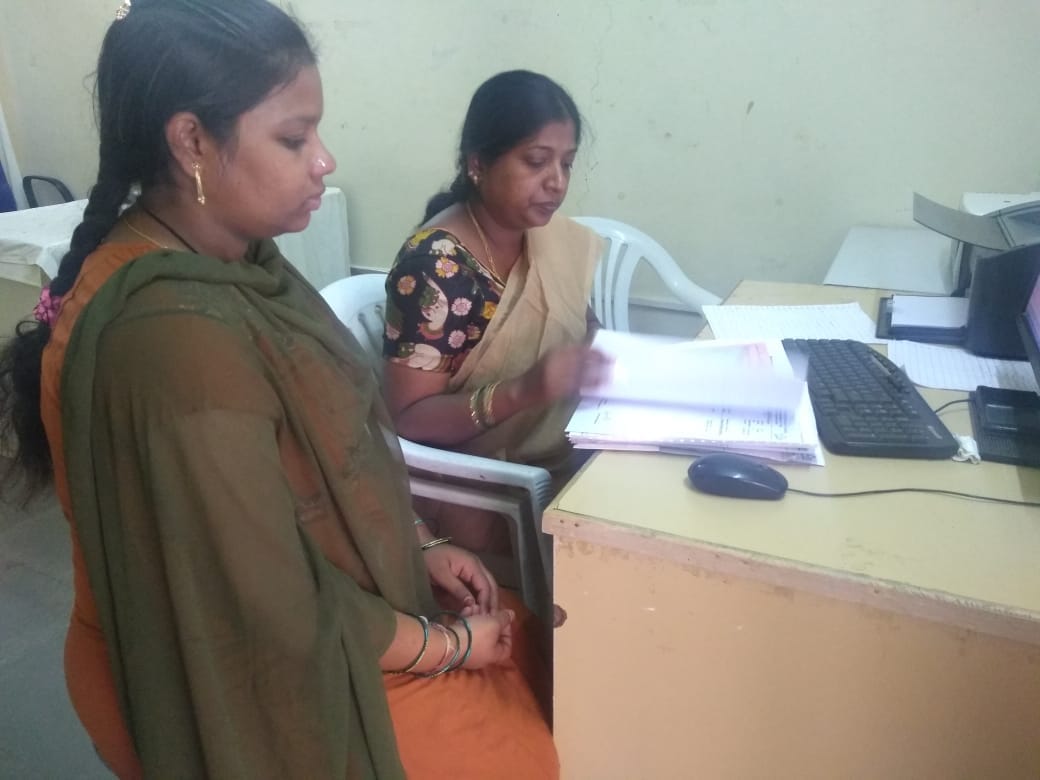
Technology Enabled health workers to deliver Telemedicine to Rural Homes at Affordable costs
A healthcare model where trained non-physician health workers use tablet-based mHealth tools and point-of-care devices to screen for hypertension and diabetes, connect patients to doctors via telemedicine, provide e-prescriptions, and deliver medicines to their doorstep, with follow-ups every three months.
Maternal Child Health Reproductive Health
Research
HELP
Completed
HEaLthy Pregnancy Study
Hypertensive disorders of the pregnancy cover a spectrum of conditions including preeclampsia, eclampsia, chronic hypertension and preeclampsia superimposed on chronic hypertension.
Photo by Bhupathi Srinu on Unsplash
Technical Assistance To Government Of India
Research
EMPOWER
Completed
Empowering Indian health researchers with computational modeling tools-HADM small Grant
Computational model can help society translate observations into an anticipation of future events, act as a test bed for ideas, extract value from data and ask questions about behaviors.
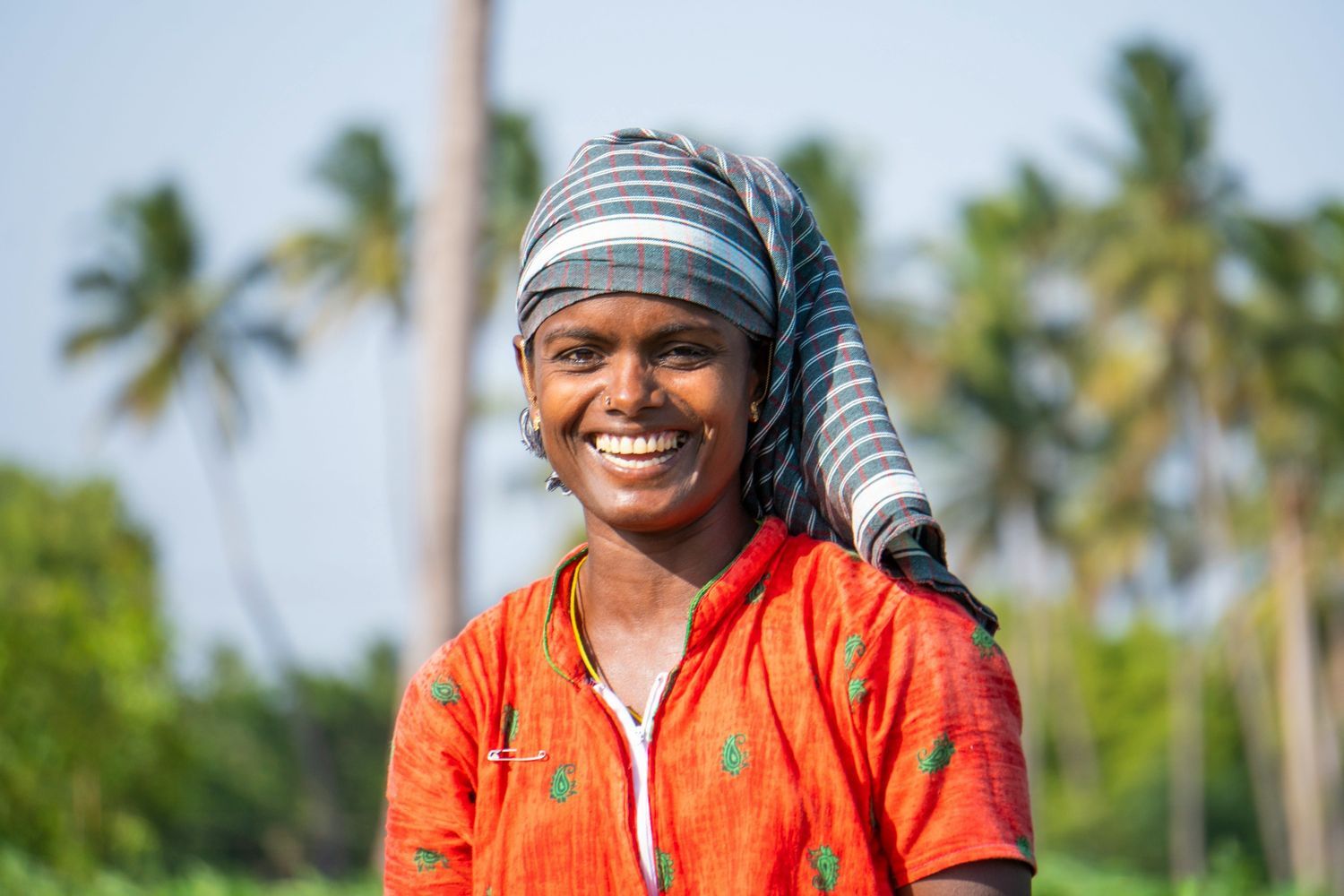
Photo by Deepak kumar on Unsplash
Infectious Diseases Surveillance
Research
RABIES-IND
Completed
RABIES Human rabies deaths and animal bite burden in India: A cross-sectional survey
The burden of animal bites and human rabies deaths in India, assess post-exposure prophylaxis (PEP) coverage, and describe the anti-rabies vaccine (ARV) supply chain, and estimate the costs associated with animal bites. The study used a cross-sectional survey design with three components.
Photo by Ellen Reitman on Unsplash
Non Communicable Diseases
Research
SKIN
Completed
A community-based prevalence of skin disorders in rural Mandals / Divisions of Medchal and Shamirpet of Medchal-Malkajgiri district, Telangana State
This ongoing community-based cross-sectional study was conducted in the Medchal Mandals of Medchal-Malkajgiri district, Telangana, covering a population of approximately 50,000 across 8,400 households.
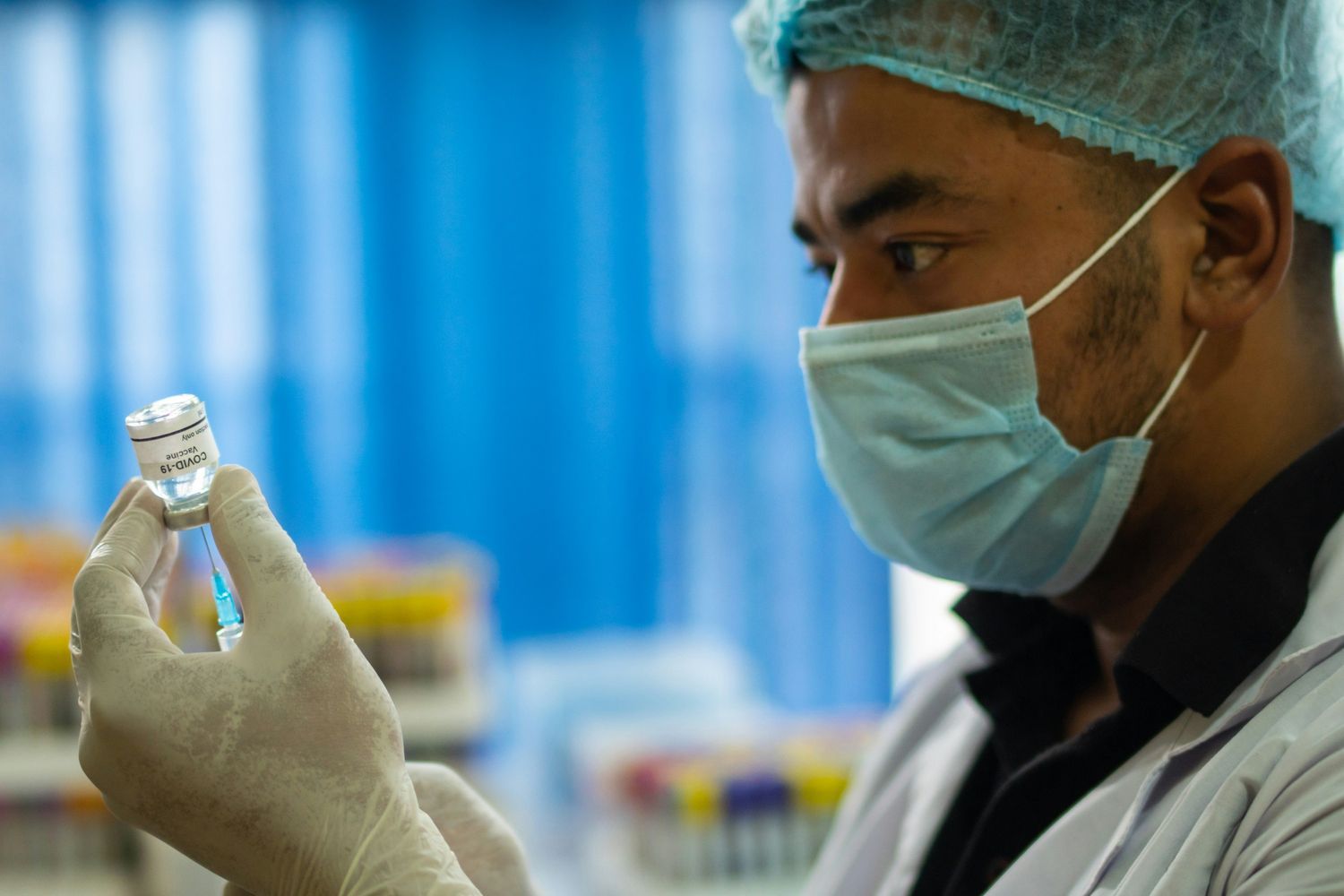
Photo by Prasesh Shiwakoti (Lomash) on Unsplash
Clinical Trials
Research
TOPSPIN
Completed
Treatment Optimisation for blood Pressure with Single-Pill combinations in India
Globally, high systolic blood pressure (SBP) was reported as the leading risk factor for morbidity and mortality. Hypertension is also a leading cause of death and disability in India with a prevalence of 30%. Significant variation was noted in hypertension prevalence among rural (28%) and urban (34%) patients in India.
Maternal Child Health Reproductive Health
Research
mIRA
Completed
A cluster randomized trial of an mHealth integrated model of hypertension, diabetes and antenatal care in primary care settings in India and Nepal
India has made significant progress in reducing maternal mortality over the past two decades; however, the burden remains substantial, and achieving the Sustainable Development Goal target by 2030 requires continued efforts.
Infectious Diseases Surveillance
Research
EPIC-DC
Completed
Harnessing a population-based cohort for an epidemiological study on Dengue and Chikungunya and drive capacities to conduct clinical trials Investigators
An approach involving the follow-up of a defined population cohort through repeated serological surveys and syndromic acute febrile illness/influenza-like illness surveillance via fortnightly phone calls (without laboratory confirmation) to record suspected cases of COVID-19.
Photo by Ellen Reitman on Unsplash
Non Communicable Diseases
Research
REACHc
Completed
Rural Effective Affordable and Comprehensive Health Care
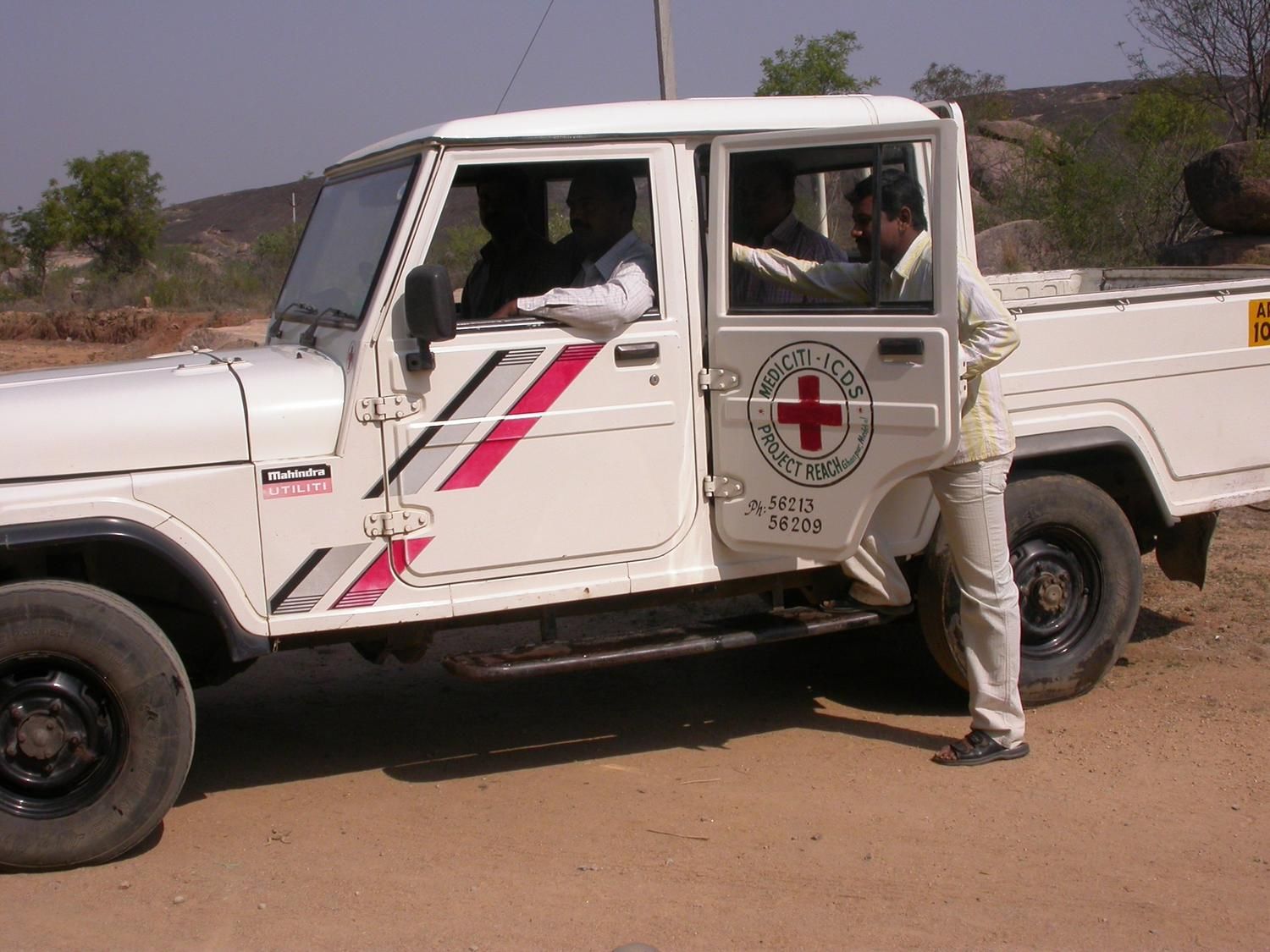
Rural Effective Affordable Comprehensive Health Care (REACH) is one of the flagship programs of SHARE INDIA. It was developed as a working model of a proactive healthcare delivery system that offers promotive, preventive, and primary healthcare to rural populations.
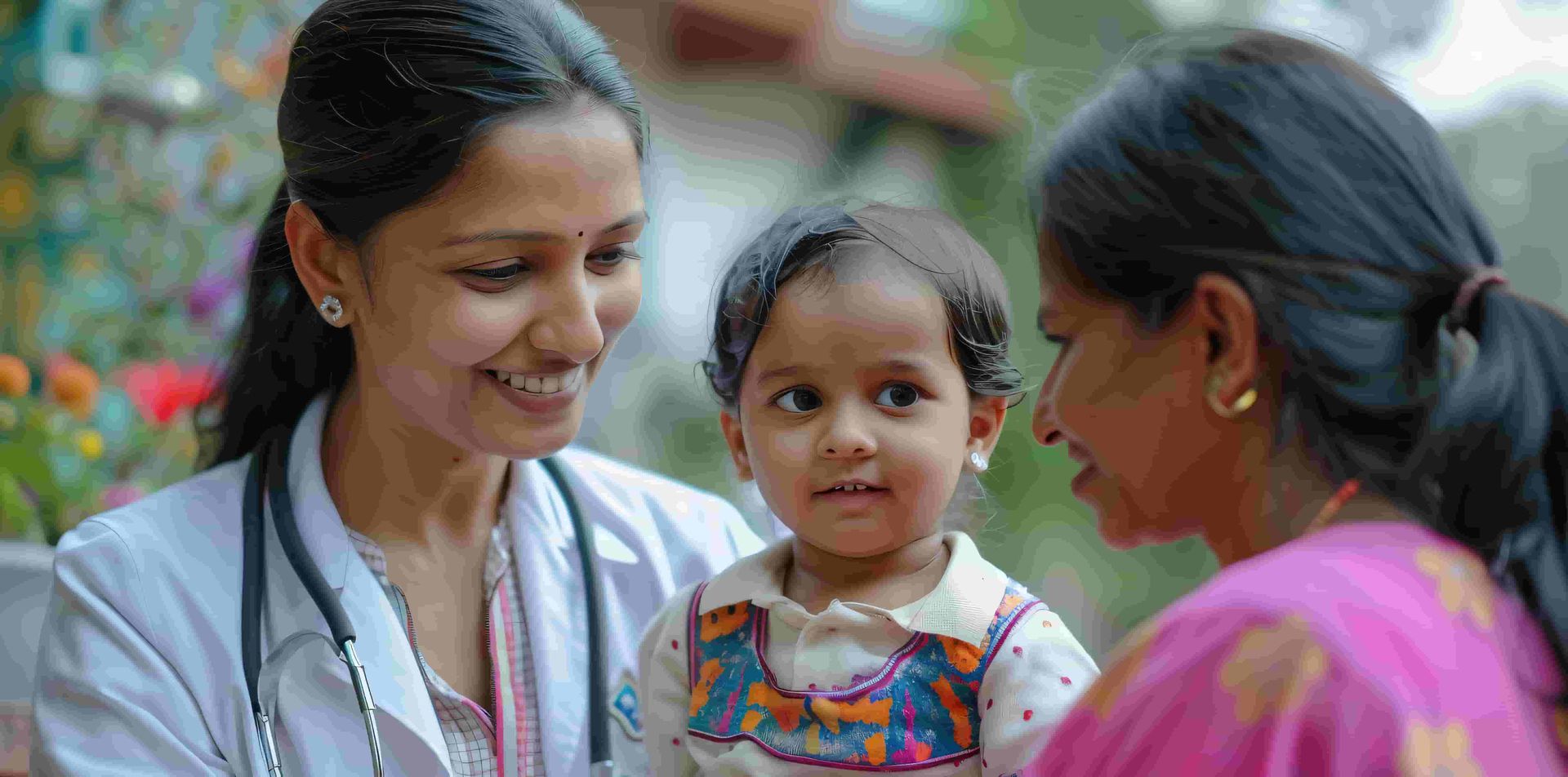
Photo by freepik
Maternal Child Health Reproductive Health
Research
ARI Monitor
Completed
Comprehensive Intelligent ARI Monitor for Early Detection of Pneumonia In Rural Areas of Medchal Mandal, Andhra Pradesh
SHARE INDIA and Birla Institute of Technology and Science, Hyderabad Campus developed a low-cost ARI monitor that measures key infant vital signs (HR, RR, SpO₂, temperature) and displays real-time data on mobile devices.